
Bed Bug Removal & Treatment in London
Cimex lectularius
Discovering bed bugs in your home can be incredibly distressing, and we understand the anxiety this brings. At Pest Pro London, we've helped thousands of London residents reclaim their peace of mind with our expert bed bug identification, treatment, and prevention services. These resilient parasitic insects belong to the family Cimicidae and are masters of hiding, feeding exclusively on blood while remaining largely undetected. Despite their small size, bed bugs can cause significant emotional distress and sleepless nights. The good news? With proper professional treatment, bed bug infestations can be completely eliminated.
Immediate professional treatment required
Quick Facts
How to Identify Bed Bug Removal
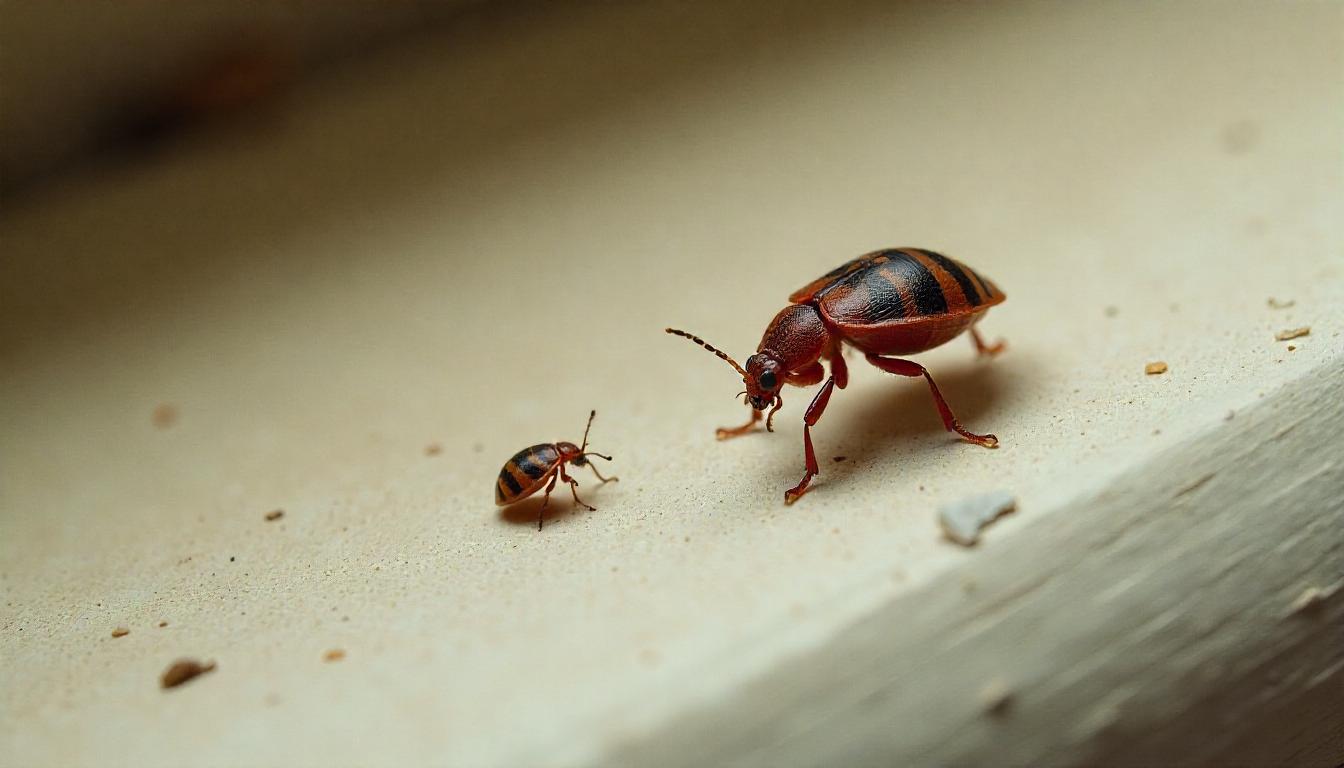
Physical Features
- Flat, broad oval body (like a shield) when unfed
- Swollen, elongated body when recently fed
- Six legs with no wings - they cannot fly or jump
- Short, club-shaped antennae with four segments
- Beak-like feeding tube (proboscis) tucked under head
- Small compound eyes on sides of head
- Fine golden hairs covering body (visible under magnification)
- Distinctive sweet, musty almond-like odor when crushed
Sounds & Signs
- Generally silent
- Rare clicking sounds when moving in large groups
- Slight rustling in severe infestations
Droppings: Dark brown to black spots (like ink stains), rusty or reddish stains on bedding, small blood smears
Tracks: Dark fecal spots along mattress seams, sweet musty odor in heavily infested rooms, shed skins (exoskeletons) near hiding spots
Common Hiding Spots
- Mattress seams, tags, and button tufts
- Box spring assemblies and bed frames
- Headboards attached to walls
- Bedside tables and furniture joints
- Upholstered chairs and sofas in bedrooms
- Drapery folds and curtain hems
- Behind loose wallpaper and wall-mounted pictures
- Electrical outlets and switch plates near beds
- Carpet edges and under loose carpet
- Books, clocks, and personal items near beds
- Cracks in walls, particularly behind beds
- Inside hollow bed posts and furniture legs
Risks & Dangers
⚕️ Health Risks
- Allergic reactions ranging from mild to severe
- Secondary bacterial infections from excessive scratching
- Psychological distress, anxiety, and paranoia
- Sleep deprivation and insomnia
- Social isolation and embarrassment
- Potential anemia in severe infestations (rare)
- Asthma exacerbation from allergens
- Post-traumatic stress in sensitive individuals
🏠 Property Damage
- Permanent staining of mattresses, bedding, and upholstery
- Necessity to discard heavily infested furniture
- Damage to personal belongings during treatment
- Costs for specialized cleaning and laundering
- Potential damage to electronics during heat treatment
- Need for extensive redecoration in severe cases
- Reduced property value if infestation becomes known
💼 Business Risks
- Immediate threat to guest safety and comfort
- Devastating online reviews and reputation damage
- Legal liability for guest compensation
- Emergency room closures and lost revenue
- Potential lawsuits from affected guests
- Health department violations and fines
- Staff morale and productivity issues
- Increased insurance premiums
- Long-term customer loss and reduced bookings
Professional Treatment
Our Treatment Methods
- Whole-room heat treatments (most effective - 45-50°C for 4+ hours)
- Targeted steam treatments for immediate killing
- Professional-grade residual insecticides (multiple applications)
- Desiccant dusts (diatomaceous earth, silica gel) for long-term control
- Cold treatments (cryonite) for sensitive areas
- Mattress and furniture encasements as part of integrated approach
- Monitoring devices and interceptor traps
- Fumigation for severe infestations (rare)
- Insect growth regulators to disrupt breeding cycles
- Targeted crack and crevice treatments
Treatment Timeline: Initial assessment within 24 hours, first treatment within 48 hours, follow-up treatments at 2-3 week intervals, complete elimination typically achieved in 6-12 weeks
Follow-up: Mandatory inspection 7-14 days after initial treatment, additional treatments as needed, final clearance inspection 4-6 weeks post-treatment, 6-month monitoring program available
Preparation Required
- Wash all clothing and bedding in hot water (60°C) and dry on high heat
- Bag and seal cleaned items in bed bug-proof bags
- Remove all items from under and around beds
- Pull beds away from walls and remove bedding
- Vacuum all cracks, crevices, and hiding spots thoroughly
- Disassemble bed frames if requested by technician
- Ensure access to all areas around sleeping spaces
- Secure pets in untreated areas during service
- Document infestation areas with photos for technician reference
Prevention Tips
🏠 Environmental Changes
- Install mattress and box spring encasements with certified bed bug-proof zippers
- Reduce bedroom clutter to eliminate hiding spots
- Use hard-sided luggage when traveling
- Keep beds away from walls and ensure bedding doesn't touch the floor
- Use light-colored sheets to spot bugs more easily
- Install bed bug interceptors under bed legs
- Seal cracks and crevices in walls, particularly around the bed area
- Choose metal bed frames over wooden ones when possible
🚪 Exclusion Methods
- Seal cracks and crevices with appropriate caulk
- Install door sweeps on bedroom doors
- Repair holes in walls and loose wallpaper
- Caulk gaps around baseboards and crown molding
- Seal penetrations around pipes and electrical conduits
- Use bed bug-proof mattress covers
- Install weatherstripping around windows
- Block gaps in flooring and wall junctions
🧹 Cleaning Tips
- Vacuum mattress seams, bed frames, and surrounding areas weekly
- Wash bedding in hot water (60°C minimum) weekly
- Dry clothes and bedding on high heat for 30+ minutes
- Steam clean carpets, curtains, and upholstery regularly
- Declutter bedrooms to reduce hiding spots
- Inspect and clean second-hand furniture before bringing inside
- Use hard-surface flooring instead of carpets when possible
- Wash and heat-dry clothes immediately after travel
🌳 Landscaping
- Not applicable - bed bugs are strictly indoor pests that do not survive outdoors in the UK climate
Bed Bug Removal in London
Common Hotspots
Most affected boroughs:
Common property types:
- Tourist hotels and boutique accommodations
- Student halls and shared houses
- Short-term rental properties (Airbnb)
- Victorian terraced houses converted to flats
- High-rise council and private housing estates
- Homeless shelters and temporary housing
- Backpacker hostels and budget accommodations
- Nursing homes and care facilities
- Transport accommodation (crew quarters)
Seasonal Activity in London
Current Season Activity
University term restarts create major movement in student areas, return from summer holidays introduces new populations, pre-winter seeking of warm indoor environments
Increased travel season brings new infestations from international visitors, peak university term brings student movement
Highest activity due to tourism peak, warmer temperatures accelerate breeding cycles, summer holidays create apartment-to-apartment spread
University term restarts create major movement in student areas, return from summer holidays introduces new populations, pre-winter seeking of warm indoor environments
Indoor heating systems maintain optimal breeding temperatures, holiday travel continues introductions, concentration indoors increases contact and spread rates
FAQs
Need Bed Bug Removal Control?
Our BPCA-certified technicians are ready to help