
Bed Bug Removal Information & Identification Guide
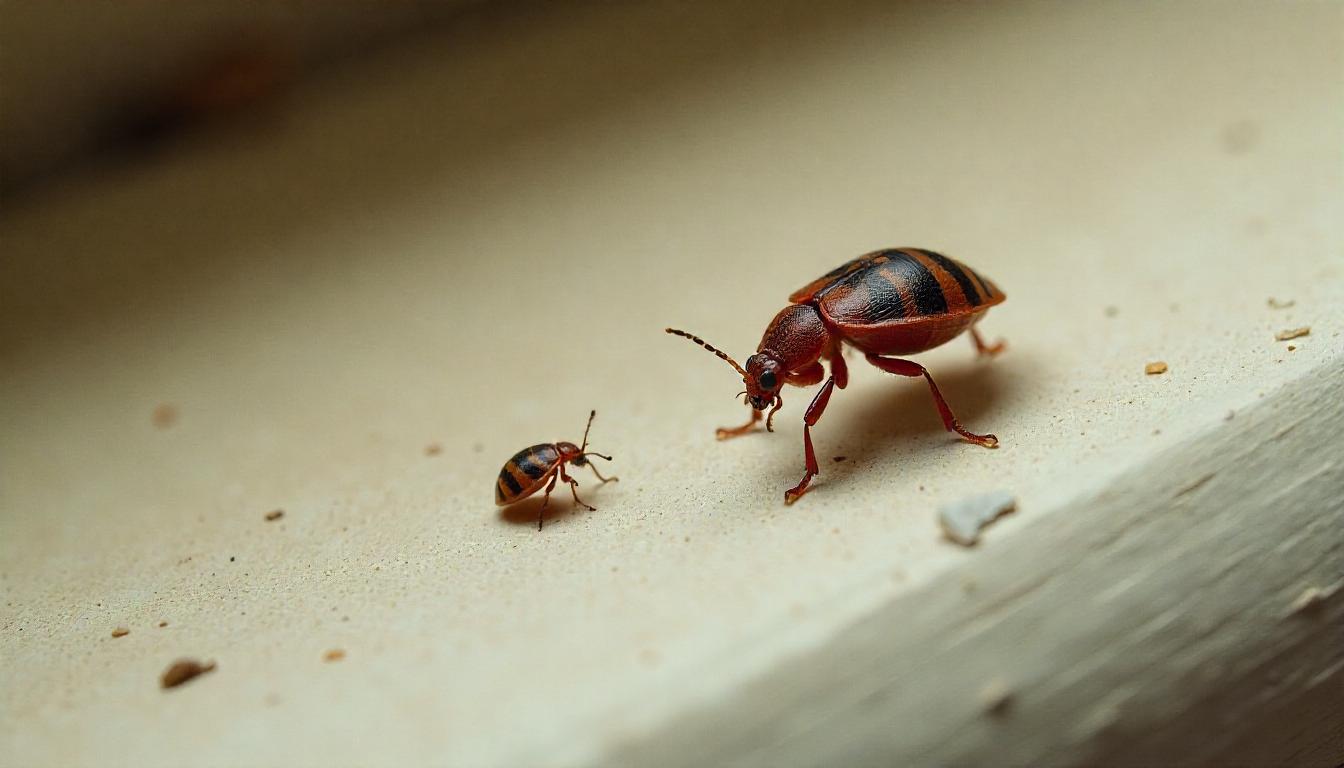
Cimex lectularius
Discovering bed bugs in your home can be incredibly distressing, and we understand the anxiety this brings. At Pest Pro London, we've helped thousands of London residents reclaim their peace of mind with our expert bed bug identification, treatment, and prevention services. These resilient parasitic insects belong to the family Cimicidae and are masters of hiding, feeding exclusively on blood while remaining largely undetected. Despite their small size, bed bugs can cause significant emotional distress and sleepless nights. The good news? With proper professional treatment, bed bug infestations can be completely eliminated.
Immediate professional treatment required
Quick Facts
How to Identify Bed Bug Removal
Physical Features
- Flat, broad oval body (like a shield) when unfed
- Swollen, elongated body when recently fed
- Six legs with no wings - they cannot fly or jump
- Short, club-shaped antennae with four segments
- Beak-like feeding tube (proboscis) tucked under head
- Small compound eyes on sides of head
- Fine golden hairs covering body (visible under magnification)
- Distinctive sweet, musty almond-like odor when crushed
Sounds & Signs
- Generally silent
- Rare clicking sounds when moving in large groups
- Slight rustling in severe infestations
Droppings: Dark brown to black spots (like ink stains), rusty or reddish stains on bedding, small blood smears
Tracks: Dark fecal spots along mattress seams, sweet musty odor in heavily infested rooms, shed skins (exoskeletons) near hiding spots
Common Hiding Spots
- Mattress seams, tags, and button tufts
- Box spring assemblies and bed frames
- Headboards attached to walls
- Bedside tables and furniture joints
- Upholstered chairs and sofas in bedrooms
- Drapery folds and curtain hems
- Behind loose wallpaper and wall-mounted pictures
- Electrical outlets and switch plates near beds
- Carpet edges and under loose carpet
- Books, clocks, and personal items near beds
- Cracks in walls, particularly behind beds
- Inside hollow bed posts and furniture legs
Professional Treatment
Our Treatment Methods
- Whole-room heat treatments (most effective - 45-50°C for 4+ hours)
- Targeted steam treatments for immediate killing
- Professional-grade residual insecticides (multiple applications)
- Desiccant dusts (diatomaceous earth, silica gel) for long-term control
- Cold treatments (cryonite) for sensitive areas
- Mattress and furniture encasements as part of integrated approach
- Monitoring devices and interceptor traps
- Fumigation for severe infestations (rare)
- Insect growth regulators to disrupt breeding cycles
- Targeted crack and crevice treatments
Treatment Timeline: Initial assessment within 24 hours, first treatment within 48 hours, follow-up treatments at 2-3 week intervals, complete elimination typically achieved in 6-12 weeks
Follow-up: Mandatory inspection 7-14 days after initial treatment, additional treatments as needed, final clearance inspection 4-6 weeks post-treatment, 6-month monitoring program available
Preparation Required
- Wash all clothing and bedding in hot water (60°C) and dry on high heat
- Bag and seal cleaned items in bed bug-proof bags
- Remove all items from under and around beds
- Pull beds away from walls and remove bedding
- Vacuum all cracks, crevices, and hiding spots thoroughly
- Disassemble bed frames if requested by technician
- Ensure access to all areas around sleeping spaces
- Secure pets in untreated areas during service
- Document infestation areas with photos for technician reference
Bed Bug Removal in London
Common Hotspots
Most affected boroughs:
Common property types:
- Tourist hotels and boutique accommodations
- Student halls and shared houses
- Short-term rental properties (Airbnb)
- Victorian terraced houses converted to flats
- High-rise council and private housing estates
- Homeless shelters and temporary housing
- Backpacker hostels and budget accommodations
- Nursing homes and care facilities
- Transport accommodation (crew quarters)
Seasonal Activity in London
Current Season Activity
University term restarts create major movement in student areas, return from summer holidays introduces new populations, pre-winter seeking of warm indoor environments
Increased travel season brings new infestations from international visitors, peak university term brings student movement
Highest activity due to tourism peak, warmer temperatures accelerate breeding cycles, summer holidays create apartment-to-apartment spread
University term restarts create major movement in student areas, return from summer holidays introduces new populations, pre-winter seeking of warm indoor environments
Indoor heating systems maintain optimal breeding temperatures, holiday travel continues introductions, concentration indoors increases contact and spread rates
Bed Bug Myths vs Facts
❌ Myth
Bed bugs only infest dirty homes
Bed bugs are attracted to blood and carbon dioxide, not dirt. They can infest any home, hotel, or building regardless of cleanliness. Even 5-star hotels can have bed bug problems.
✅ Fact
Clutter helps bed bugs hide
While cleanliness doesn't prevent bed bugs, clutter provides more hiding spots and makes inspection and treatment more difficult. Decluttering helps control efforts.
❌ Myth
Bed bugs can fly or jump
Bed bugs cannot fly or jump. They can only crawl, moving about 1 meter per minute. They spread by hitchhiking on luggage, furniture, clothing, and personal belongings.
✅ Fact
Bed bugs spread through travel
Bed bugs are expert hitchhikers. They commonly spread through luggage, backpacks, and clothing. Checking hotel rooms and inspecting luggage after travel is essential.
❌ Myth
You can feel bed bugs biting you
Bed bug bites are painless due to an anesthetic in their saliva. Most people don't feel the bite happening. Reactions appear hours or days later as itchy welts.
✅ Fact
Not everyone reacts to bites
About 30-60% of people show no reaction to bed bug bites. This makes detection difficult—you may have bed bugs even without visible bite marks.
Bed Bug Life Cycle: From Egg to Adult
Understanding the bed bug life cycle helps explain why infestations grow quickly and why multiple treatments are necessary. A single female can lay 200-500 eggs in her lifetime, leading to exponential population growth.
🥚 Egg Stage
Female lays 1-7 eggs daily in cracks and crevices. Eggs are 1mm long (size of pinhead), white/pearl colored, and have a sticky coating. They hatch in 6-10 days at room temperature.
🐛 Nymph Stages (5 Molts)
Nymphs go through 5 molting stages, requiring a blood meal before each molt. They start at 1.5mm (smaller than a grain of rice) and are translucent/yellowish. After feeding, they turn reddish-brown. Each stage lasts 3-7 days.
🪲 Adult Stage
Adults are 4-7mm long (apple seed size), flat and oval-shaped. They're reddish-brown and can live 6-12 months. Females begin laying eggs 3-6 weeks after reaching adulthood. Adults can survive 12+ months without feeding.
Because eggs are resistant to most insecticides and new nymphs hatch over 2-3 weeks, multiple treatments spaced 10-14 days apart are required to catch newly hatched nymphs before they mature and reproduce.
Bed Bug Look-Alikes: How to Tell the Difference
Several insects are commonly mistaken for bed bugs. Proper identification is crucial for effective treatment.
🪲 Carpet Beetles
Often Confused
- Size: 2-5mm (smaller than bed bugs)
- Shape: Oval with scales/hairs
- Color: Mottled brown, black, or white patterns
- Key Difference: Have wings and can fly; feed on fabrics, not blood
🦟 Bat Bugs
Nearly Identical
- Size: 4-5mm (same as bed bugs)
- Shape: Flat, oval (identical to bed bugs)
- Color: Reddish-brown (same)
- Key Difference: Longer hairs on thorax; associated with bats in attics
🪳 Cockroach Nymphs
Similar Size
- Size: 3-5mm when young
- Shape: Longer, more cylindrical
- Color: Dark brown to black
- Key Difference: Have long antennae; move much faster; found in kitchens
🪰 Booklice
Common Mistake
- Size: 1-2mm (much smaller)
- Shape: Soft-bodied, elongated
- Color: Translucent white to grey
- Key Difference: Much smaller; found in books and damp areas; don't bite
🐜 Spider Beetles
Occasionally Confused
- Size: 2-5mm
- Shape: Round, spider-like with long legs
- Color: Reddish-brown to black
- Key Difference: Have long legs like spiders; globe-shaped body; don't bite
🦗 Fleas
Different Behavior
- Size: 1-3mm (smaller)
- Shape: Narrow, compressed laterally
- Color: Dark reddish-brown
- Key Difference: Can jump vertically; usually found on pets or carpets
The definitive way to identify bed bugs: Check for the distinctive "line of three" bite pattern on skin, find black fecal spots on mattress seams, and look for shed exoskeletons. If unsure, capture a specimen in a sealed container and contact a professional for identification.
Complete Travel Prevention Guide
Travel is the #1 way bed bugs enter homes. Follow this comprehensive checklist to protect yourself.
🏨 Before Checking In
- Leave luggage in the bathroom (tiles, not carpet)
- Don't place bags on the bed or upholstered furniture
- Use luggage racks, but inspect them first
- Check online reviews for bed bug reports
- Request a room away from elevator shafts
🔍 Room Inspection Checklist
- Pull back sheets and inspect mattress seams
- Check pillow seams and tags
- Examine headboard (especially behind it)
- Look at box spring corners and staples
- Check nightstand drawers and furniture joints
- Inspect electrical outlets near the bed
- Look for small black spots or shed skins
🧳 During Your Stay
- Keep clothes in sealed plastic bags
- Don't unpack into drawers or wardrobes
- Keep suitcases zipped and elevated
- Inspect your luggage daily
- Report any signs of bed bugs immediately
- Request a room change (different floor)
🏠 Returning Home Protocol
- Unpack luggage outside or in garage/bathroom
- Vacuum suitcase thoroughly (all pockets/seams)
- Wash all clothes in hot water (60°C+)
- Dry on high heat for 30+ minutes
- Items that can't be washed: freeze for 4 days
- Inspect luggage with flashlight before storing
- Store empty luggage in sealed bags
Take photos, notify management immediately, request a room on a different floor (not adjacent room), check luggage thoroughly before moving, and contact the hotel corporate office. Document everything for potential refunds. Consider filing a report with local health authorities.
DIY Bed Bug Inspection Checklist
Early detection is key. Use this comprehensive checklist to inspect your home for bed bugs. Best done in daylight with a flashlight and magnifying glass.
🛏️ Bedroom Inspection
🛋️ Living Areas
👕 Other Areas
- Live bugs: Apple seed-sized, flat, reddish-brown
- Fecal spots: Tiny black/brown dots that smear when touched
- Blood stains: Small rust-colored spots on sheets
- Shed skins: Light brown, translucent exoskeletons
- Eggs: Tiny white/pearl dots (1mm), in clusters
- Musty odor: Sweet, almond-like smell in heavy infestations
Found Bed Bugs? Get Professional Treatment
If you've identified bed bugs in your home, professional treatment is the most effective solution. We provide same-day service across London with guaranteed results.
Westminster Treatment
Same-day bed bug treatment in Westminster, Pimlico, Victoria, Mayfair, and surrounding areas.
View services →Camden Treatment
Expert bed bug removal in Camden Town, King's Cross, Hampstead, Kentish Town, and nearby areas.
View services →Tower Hamlets Treatment
Bed bug control in Canary Wharf, Whitechapel, Bethnal Green, Bow, and surrounding areas.
View services →FAQs
Need Bed Bug Removal Control?
Our BPCA-certified technicians are ready to help