
Cockroaches Information & Identification Guide
Blattella germanica & Periplaneta americana
Cockroaches are one of the most persistent and challenging pests to control in London. These resilient insects can quickly establish large colonies in homes, restaurants, offices, and commercial properties, posing serious health risks and causing significant distress to occupants. At Pest Pro, we specialise in professional cockroach pest control in London, offering fast, effective, and discreet treatments for all cockroach species including German cockroaches, Oriental cockroaches, and American cockroaches. Our BPCA certified technicians use advanced treatment methods including targeted gel baits, residual insecticides, and heat treatments to eliminate cockroach infestations completely. We understand the urgency of cockroach problems and offer same-day emergency service across all London boroughs. Cockroaches spread diseases including salmonella, dysentery, and gastroenteritis, and their droppings can trigger asthma and allergic reactions. Our treatments are safe for children and pets, and we provide comprehensive aftercare advice to prevent future infestations. Whether you're dealing with a German cockroach infestation in your kitchen, Oriental cockroaches in your basement, or American cockroaches in your commercial premises, our expert team delivers guaranteed results with discreet, professional service tailored to London's unique urban environment.
Immediate professional treatment required
Quick Facts
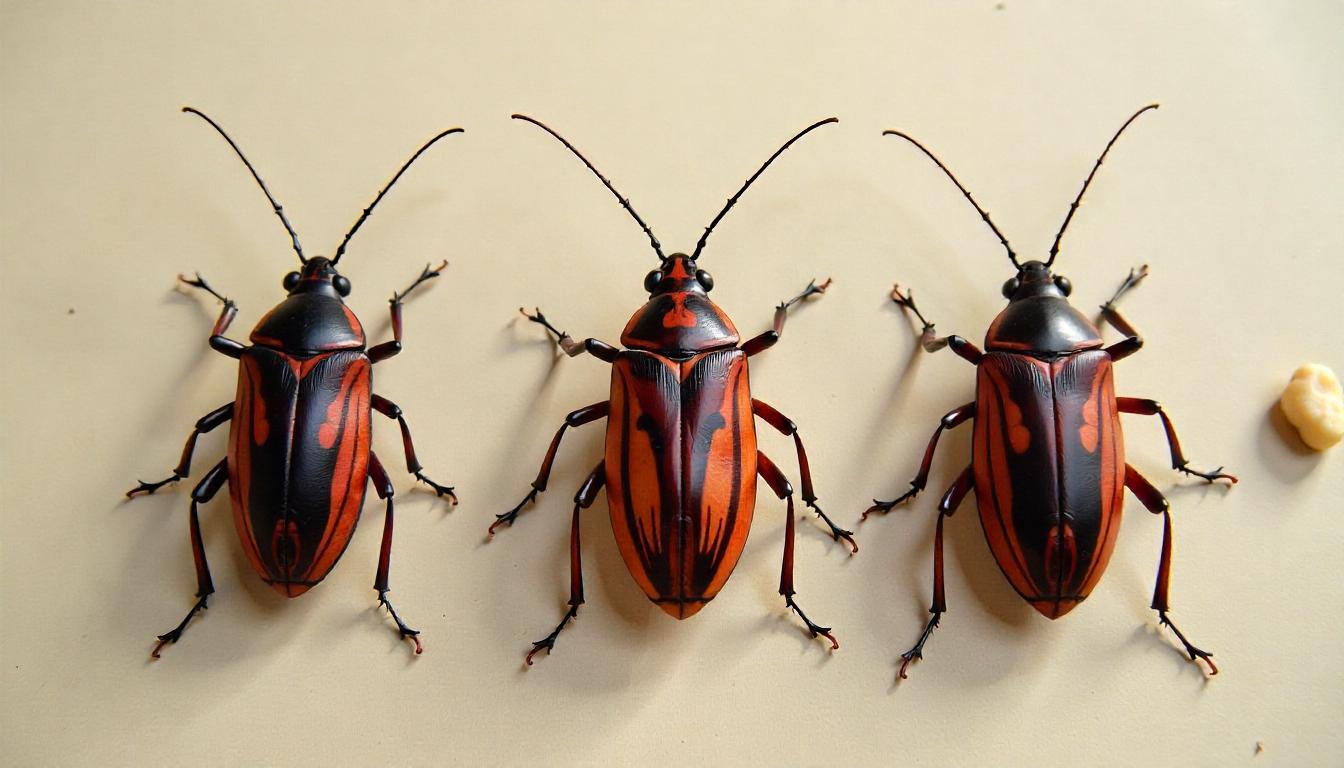
How to Identify Cockroaches
Physical Features
- Distinctive flattened, oval body designed for hiding in cracks
- Long, thread-like antennae longer than half their body length
- Six spiny legs adapted for rapid movement on various surfaces
- Leathery forewings (tegmina) that may or may not cover functional hind wings
- Prominent compound eyes and chewing mouthparts
- Cerci (tail-like appendages) at rear of abdomen
- German cockroaches have two dark parallel stripes behind the head
- American cockroaches are the largest and can actually fly short distances
Sounds & Signs
- Distinctive clicking or chirping sounds during mating
- Rustling noise when disturbed from hiding spots
- Scratching sounds in wall voids during heavy infestations
Droppings: Small, dark cylindrical pellets resembling ground coffee or black pepper, sticky brown smear marks on surfaces
Tracks: Greasy brown smear marks along walls, egg cases (oothecae) resembling small brown purses, shed skins near harboring areas
Common Hiding Spots
- Behind and under refrigerators and other appliances
- Inside electrical appliances (microwaves, toasters, coffee machines)
- Under sinks and around plumbing penetrations
- Inside cracks and crevices in walls, especially near heat sources
- Behind cookers and ovens where grease accumulates
- Electrical junction boxes and switch plates
- Inside cardboard boxes and packaging materials
- Void spaces behind tiles and under flooring
- Inside furniture joints and upholstered seams
Professional Treatment
Our Treatment Methods
- Professional gel baits targeted to specific cockroach species
- Insect Growth Regulators (IGRs) to disrupt reproduction cycles
- Residual spray treatments for long-term protection
- Dust formulations for wall voids and inaccessible areas
- Monitoring stations for ongoing population assessment
- ULV fogging for severe infestations
- Crack and crevice injection treatments
- Integrated Pest Management (IPM) protocols
Treatment Timeline: Emergency response within 4 hours, initial treatment within 24 hours, typically requires 3-4 visits over 6-8 weeks for complete elimination
Follow-up: Weekly monitoring for first month, monthly inspections for 3-6 months, quarterly preventive maintenance recommended
Preparation Required
- Complete deep cleaning of all affected areas
- Remove all clutter and unnecessary items
- Empty all cabinets and storage areas for inspection
- Fix all water leaks and moisture problems immediately
- Provide comprehensive access to all potential harboring areas
- Document all sighting locations with photographs
- Secure all food items in sealed containers
- Ensure adequate ventilation during treatment
Cockroaches in London
Common Hotspots
Most affected boroughs:
Common property types:
- Restaurant kitchens and commercial food preparation facilities
- High-rise tower blocks with central heating systems
- Food processing and packaging facilities
- Older apartment buildings with multiple utility penetrations
- Hotels and hospitality venues with 24-hour food service
- Student accommodation with shared kitchen facilities
- Care homes and institutional catering facilities
- Social housing with moisture and maintenance issues
Seasonal Activity in London
Current Season Activity
Intensive indoor migration seeking warm environments for winter survival
Increased activity as temperatures rise and breeding accelerates
Peak breeding season with optimal conditions for rapid population growth
Intensive indoor migration seeking warm environments for winter survival
Concentrated populations in heated buildings with continuous breeding cycles
Cockroach Myths vs Facts
❌ Myth
Cockroaches only infest dirty homes
While poor sanitation attracts cockroaches, they can infest any property with access to food, water, and shelter. Even clean homes can have cockroach problems if conditions are right.
✅ Fact
Cleanliness does help prevention
Good sanitation removes food sources and makes detection easier. Regular cleaning, proper food storage, and eliminating water sources significantly reduce cockroach attraction.
❌ Myth
Cockroaches can survive a nuclear explosion
While cockroaches are radiation-resistant (10x more than humans), they cannot survive direct nuclear explosions. This myth exaggerates their resilience, though they are indeed very hardy insects.
✅ Fact
Cockroaches are extremely resilient
Cockroaches can survive 1 month without food, 2 weeks without water, and up to 40 minutes underwater. They can live for a week without their head and survive -5°C temperatures.
❌ Myth
You only have a problem if you see cockroaches during the day
Partially true but misleading. While daytime sightings indicate severe overcrowding, you can have a significant infestation even if you only see cockroaches at night.
✅ Fact
Daytime sightings mean large infestation
Cockroaches are nocturnal. If you see them during the day, the population has likely exceeded available hiding spaces. This indicates an urgent need for professional treatment.
❌ Myth
Store-bought sprays will eliminate cockroaches
DIY sprays only kill visible cockroaches. They don't reach hidden populations, egg cases, or nymphs. Cockroaches also develop resistance to commonly available insecticides.
✅ Fact
Professional treatment is most effective
Professional gel baits, residual sprays, and dusts target hidden harborages, breeding sites, and entire colonies. Multiple treatments ensure elimination of eggs and nymphs.
❌ Myth
Cockroaches don't bite humans
Actually false - cockroaches CAN bite humans in severe infestations when food is scarce. Bites are rare but have been documented, especially on fingernails, eyelashes, and soft skin.
✅ Fact
Cockroaches spread serious diseases
Cockroaches transmit 33+ bacterial species including Salmonella, E. coli, and parasitic worms. Their droppings trigger asthma and allergies, especially in children.
Common UK Cockroach Species
Understanding which cockroach species you have helps determine the most effective treatment approach.
🪳 German Cockroach
Most Common (95% of UK infestations)
- Size: 12-15mm (½ inch)
- Color: Light brown with 2 dark parallel stripes
- Habitat: Kitchens, restaurants, warm areas
- Reproduction: 30-40 eggs per case, 6-8 cases per lifetime
- Speed: Fastest reproducing species
- Behavior: Cannot fly, prefers tight spaces
🪳 Oriental Cockroach
Second Most Common
- Size: 20-25mm (1 inch)
- Color: Dark brown to black (shiny)
- Habitat: Basements, drains, damp areas, outdoors
- Reproduction: 16 eggs per case, slower breeding
- Speed: Slower than German cockroaches
- Behavior: Cannot fly, strong odor, loves moisture
🪳 American Cockroach
Largest UK Species
- Size: 35-40mm (1.5 inches) - largest
- Color: Reddish-brown with yellow band behind head
- Habitat: Sewers, basements, commercial buildings
- Reproduction: 14-16 eggs per case
- Speed: Fastest running cockroach
- Behavior: CAN fly short distances, attracted to beer
🪳 Brown-banded Cockroach
Rare in UK
- Size: 10-14mm (small)
- Color: Light brown with 2 light bands across wings
- Habitat: Upper areas, ceilings, electronics
- Reproduction: 14-18 eggs per case
- Speed: Fast reproduction
- Behavior: Prefers warm, dry areas (unlike others)
German cockroaches require frequent gel bait applications. Oriental cockroaches need exterior perimeter treatment and drain treatments. American cockroaches require sewer and exterior treatments. Professional identification ensures the right treatment approach.
Complete Kitchen Inspection Checklist
Kitchens are cockroach magnets. Use this comprehensive checklist to inspect for signs of infestation.
🍽️ Food Preparation Areas
🗄️ Storage & Cabinets
🔌 Hidden Areas
- Live cockroaches: Especially at night when lights turn on suddenly
- Droppings: Small dark specks that look like black pepper or coffee grounds
- Egg cases (oothecae): Brown capsules 5-10mm long
- Smear marks: Dark irregular marks on surfaces where cockroaches travel
- Shed skins: Light brown molted exoskeletons
- Musty odor: Strong, oily smell in heavy infestations
Commercial Kitchen Prevention Guide
For restaurants, cafes, and commercial kitchens - prevent cockroach infestations with these professional protocols.
🧹 Daily Cleaning Protocol
- Sweep and mop floors at end of each shift
- Clean under and behind all equipment daily
- Wipe down all surfaces removing grease and spills
- Empty and clean all bins before closing
- Wash dishes immediately - never leave overnight
- Clean drains with hot water and drain cleaner
- Store all food in sealed containers
🚪 Entry Point Management
- Install door sweeps on all exterior doors
- Seal gaps around pipes and utilities
- Keep loading bay doors closed when not in use
- Install air curtains over entry doors
- Inspect incoming deliveries for hitchhiking pests
- Store cardboard away from food prep areas
💧 Moisture Control
- Fix all leaking pipes and taps immediately
- Dry standing water under equipment
- Clean condensation from refrigeration units
- Ensure proper ventilation in kitchen
- Check and repair damaged grout and caulking
- Clean and maintain floor drains regularly
📋 Staff Training & Monitoring
- Train staff on cockroach identification
- Implement reporting system for sightings
- Install monitoring traps in key locations
- Conduct weekly deep cleaning schedules
- Maintain pest control service contract
- Keep detailed cleaning and sighting logs
- Regular staff refresher training
Under the Food Safety Act 1990 and Food Hygiene Regulations, food businesses MUST have effective pest control measures. Cockroach infestations can result in prosecution, closure orders, unlimited fines, and damage to reputation. Professional monthly pest control contracts are essential for compliance.
Professional Cockroach Treatment Available
If you've identified cockroaches, professional treatment is essential. We provide same-day service across London with guaranteed results.
Westminster Control
Emergency cockroach control in Westminster, Pimlico, Victoria, Mayfair, and surrounding areas.
View services →Camden Control
Expert cockroach treatment in Camden Town, King's Cross, Hampstead, Kentish Town, and nearby areas.
View services →Tower Hamlets Control
Cockroach removal in Canary Wharf, Whitechapel, Bethnal Green, Bow, and surrounding areas.
View services →Need Cockroaches Control?
Our BPCA-certified technicians are ready to help