
Flea Removal Information & Identification Guide
Ctenocephalides felis & Ctenocephalides canis
Few things are more frustrating than the persistent biting and jumping of fleas throughout your home, especially when they continue to appear even after treating your pets. We understand the exhaustion that comes with fighting an invisible enemy that seems to multiply overnight. At Pest Pro London, we break the flea lifecycle completely, not just treating the adults you can see. These resilient parasites can survive for months without feeding and can explode into massive populations within days, making professional intervention essential to end the cycle of biting and breeding in your home.
Immediate professional treatment required
Quick Facts
How to Identify Flea Removal
Physical Features
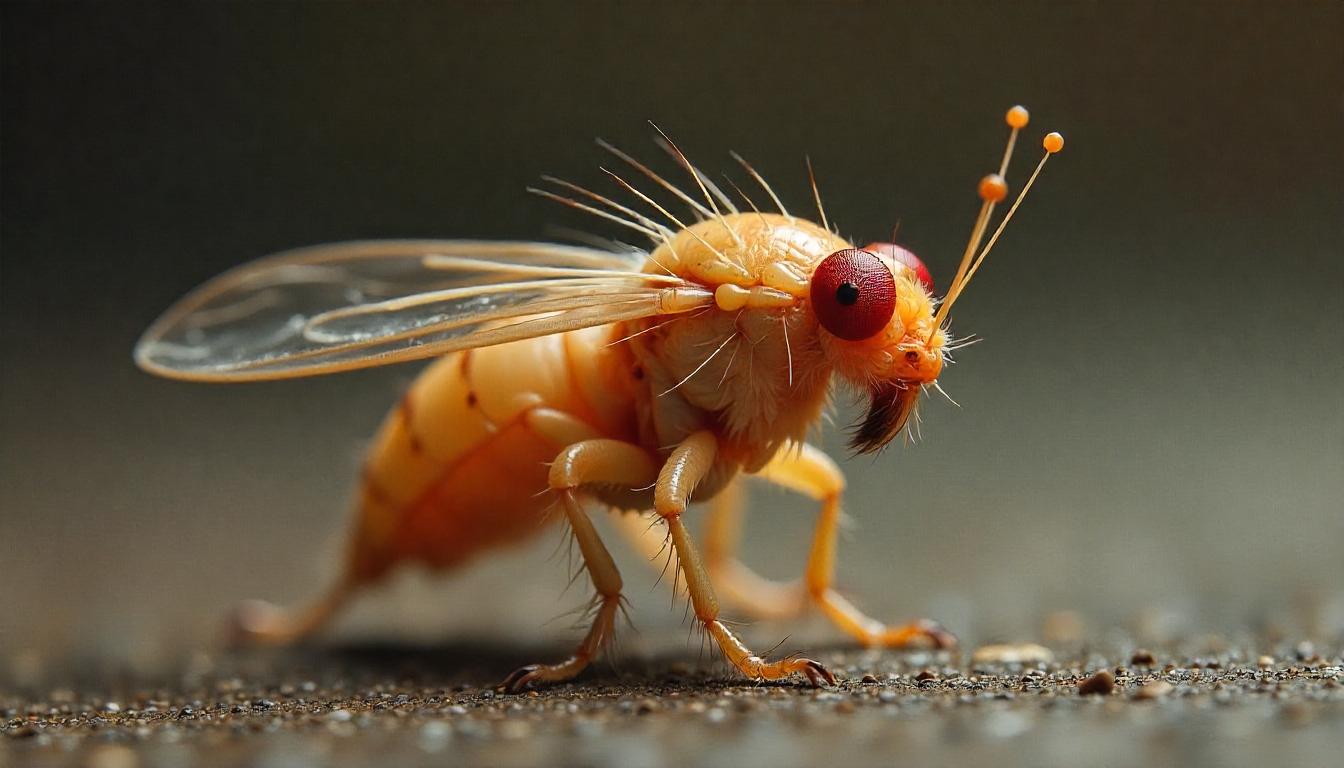
- Heavily compressed body flattened side-to-side for movement through fur
- Disproportionately large, powerful hind legs for jumping up to 150x body length
- Completely wingless with smooth, streamlined profile
- Backward-pointing bristles and spines for gripping host fur
- Piercing-sucking mouthparts designed for blood feeding
- Compound eyes and sensitive antennae for host detection
- Hard, shiny exoskeleton resistant to crushing
- Visible when jumping - distinctive arcing motion
Sounds & Signs
- Generally silent
- Possible faint clicking when jumping on hard surfaces
- Pets may scratch loudly due to flea irritation
Droppings: Distinctive 'flea dirt' - small black specks that turn reddish-brown when moistened (digested blood)
Tracks: Flea dirt concentrated in pet sleeping areas, eggs appearing as tiny white specks in carpets, adult fleas visible jumping on socks and ankles
Common Hiding Spots
- Pet beds, blankets, and favorite resting spots
- Deep within carpet pile and underlay
- Gaps between floorboards and under furniture
- Upholstered furniture seams and cushions
- Curtains and fabric hangings at floor level
- Children's soft toys and play areas
- Vacuum cleaner bags and filters
- Car upholstery and floor mats
- Outdoor areas where pets spend time
Professional Treatment
Our Treatment Methods
- Multi-stage residual insecticide treatment program
- Insect Growth Regulator (IGR) applications to prevent development
- Professional fumigation for severe whole-house infestations
- Heat treatment for sensitive areas and valuable items
- Targeted spray treatments for specific harboring areas
- Integrated pest management combining multiple approaches
- Coordination with veterinary treatment for all pets
- Environmental management and habitat modification
Treatment Timeline: Initial treatment within 24 hours of contact, second treatment 14-21 days later to target emerging adults, complete elimination typically achieved within 4-6 weeks
Follow-up: Mandatory follow-up treatment after 2-3 weeks to break the lifecycle, progress monitoring for 6-8 weeks, ongoing pet treatment coordination with veterinarian
Preparation Required
- Vacuum all carpets, furniture, and pet areas thoroughly
- Wash all bedding, clothing, and pet items at highest safe temperature
- Treat all pets with veterinary flea treatment simultaneously
- Clear floor areas of personal items and furniture where possible
- Secure pets in treated areas according to technician instructions
- Identify and document all areas where pets spend time
- Prepare for temporary pet relocation if required
- Remove or cover food items and pet food during treatment
Flea Removal in London
Common Hotspots
Most affected boroughs:
Common property types:
- Pet-friendly rental properties and housing
- Properties with gardens and outdoor pet access
- Student accommodation allowing pets
- Ground floor flats and houses with direct garden access
- Veterinary clinics and pet-related businesses
- Pet grooming and boarding facilities
- Properties previously occupied by pet owners
- Holiday rentals and accommodation accepting pets
Seasonal Activity in London
Current Season Activity
Continued indoor activity as outdoor temperatures drop, fleas seeking indoor harboring
Flea activity increases with warmer temperatures, pet outdoor activity brings new flea exposure
Peak flea season with optimal breeding conditions, maximum outdoor flea populations
Continued indoor activity as outdoor temperatures drop, fleas seeking indoor harboring
Survive and reproduce in heated homes, reduced outdoor activity but indoor infestations persist
Flea Myths vs Facts
Myth
Fleas only infest homes with pets
Fact
Fleas infest properties without pets through previous pet owners, wildlife (foxes, squirrels, rodents), or transferred from other infested locations. Empty properties can maintain dormant flea populations for months.
Myth
Regular pet flea treatments prevent home infestations
Fact
Pet treatments kill adult fleas on animals but don't eliminate eggs, larvae, and pupae in carpets, furniture, and floorboards. 95% of flea population exists in the environment, not on pets.
Myth
Vacuuming removes all fleas from carpets
Fact
Vacuuming removes only 30-60% of flea eggs and larvae. Pupae in cocoons are glued to carpet fibers and resistant to vacuuming. Professional treatment with insect growth regulators essential for complete control.
Myth
Fleas die off in winter months
Fact
Central heating creates ideal year-round conditions for fleas. Indoor infestations continue through winter with accelerated breeding in warm, humid environments. Peak seasons are spring and autumn but infestations occur in all months.
Myth
You can see all flea life stages
Fact
Flea eggs (0.5mm), larvae (2-5mm translucent), and pupae (hidden in cocoons) are nearly invisible. You typically only see jumping adult fleas, which represent just 5% of the total population.
Myth
Fleas only bite ankles and lower legs
Fact
Fleas bite any exposed skin but ankles/lower legs are most accessible when emerging from carpet. Fleas in bedding bite arms, torso, and face. Bites appear as clusters of 3-4 red, itchy welts.
Myth
One flea treatment eliminates infestations
Fact
Flea pupae in protective cocoons are immune to insecticides. They can remain dormant for 5+ months, emerging when vibrations signal a host. Follow-up treatments target newly emerged adults over 2-3 weeks.
Myth
Fleas transmit HIV and other human diseases
Fact
Fleas don't transmit HIV. However, they can transmit tapeworms (from pets), cause severe allergic dermatitis, and historically spread bubonic plague and murine typhus. Cat Scratch Disease bacteria transmitted through flea feces.
Myth
DIY flea bombs completely eliminate infestations
Fact
Flea bombs create airborne mist that settles on surfaces but doesn't penetrate carpet depths or protected areas where larvae and pupae hide. Professional treatment uses residual insecticides and growth regulators for comprehensive control.
Myth
Salt or baking soda kills fleas effectively
Fact
Salt and baking soda have minimal effect on fleas. They may dehydrate some larvae over weeks but don't kill eggs or pupae. Professional treatment with proven insecticides and IGRs achieves control within days, not weeks.
Understanding the Flea Life Cycle
Successful flea control requires treating all four life stages: eggs, larvae, pupae, and adults. 95% of the population exists as immature stages in the environment.
Egg Stage
50% of population
Appearance: Tiny white/translucent, 0.5mm, oval-shaped. Nearly invisible to naked eye.
Location: Laid on pets but fall into carpets, bedding, furniture crevices, floorboard gaps.
Duration: Hatch in 2-12 days depending on temperature and humidity.
Production: One female lays 40-50 eggs daily, 2,000+ in lifetime.
Larva Stage
35% of population
Appearance: 2-5mm long, legless, translucent white worm-like. Avoid light.
Location: Deep in carpet pile, under furniture, in cracks and crevices. Burrow into dark, humid areas.
Duration: Feed for 5-20 days through 3 molting stages (instars).
Diet: Adult flea feces (dried blood), skin scales, organic debris.
Pupa Stage
10% of population
Appearance: Protected inside sticky silk cocoon camouflaged with debris. Extremely difficult to detect.
Location: Deep in carpet fibers, furniture seams. Cocoon glued firmly in place.
Duration: 5-14 days normally, but can remain dormant for 5-12 months.
Resistance: Immune to insecticides. Protected by cocoon. Emerge when vibrations/CO₂/warmth signal host presence.
Adult Stage
5% of population
Appearance: 2-3mm, dark brown/black, flattened body. Can jump 30cm vertically.
Location: On host animals (pets, wildlife). Jump onto humans for feeding.
Lifespan: 2-3 months with blood meals. Can survive weeks without feeding.
Behavior: Feed within hours of emerging. Females begin laying eggs within 24-48 hours of first blood meal.
⚠️Why Treatment Must Address All Stages
Treating only adult fleas (5% of population) leaves 95% of the infestation intact. Eggs continue hatching, larvae mature, and dormant pupae emerge over weeks/months. Professional treatment uses combination of:
- Adulticides - Kill adult fleas on contact
- Insect Growth Regulators (IGRs) - Prevent eggs hatching and larvae developing
- Residual insecticides - Kill newly emerged adults from pupae over 2-3 weeks
- Environmental treatment - Treat carpets, furniture, bedding, floorboards
Common Flea Species
Cat Flea
Ctenocephalides felis
Most common species - 95% of UK household flea infestations. Despite name, infests both cats AND dogs. Feeds on humans when pet hosts unavailable.
Rapid reproduction, year-round breeding in heated homes, adapts well to indoor environments. Primary target of professional flea control treatments.
Dog Flea
Ctenocephalides canis
Less common - Found in UK but far less prevalent than Cat Flea. Prefers dogs but will feed on cats and humans.
Similar biology and treatment approach to Cat Flea. Often misidentified as Cat Fleas require microscopic examination to distinguish.
Human Flea
Pulex irritans
Rare in modern UK - Historically common, now rarely encountered. Associated with poor sanitation, outdoor sleeping, pig farming.
Can infest human hair and clothing. Prefers humans over pets. Most "human flea" reports are actually Cat Flea bites.
Complete Flea Inspection & Treatment Checklist
Use this comprehensive checklist to identify flea activity, prepare for professional treatment, and maintain a flea-free environment.
🔍Signs of Flea Infestation
✓Pre-Treatment Preparation
⚡Post-Treatment Instructions
🚨Critical: Don't Vacuum for 14 Days After Treatment
Vacuuming removes residual insecticide from carpet fibers before it can kill newly emerging adult fleas from pupae. The treatment creates a "killing zone" that remains effective for 2-3 weeks, eliminating fleas as they hatch. Premature vacuuming allows the life cycle to continue, resulting in re-infestation. This is the most common reason for flea control failure.
Professional Flea Control in London
Expert flea treatment targeting all life stages with insect growth regulators and residual insecticides. Same-day appointments available.
Westminster Flea Control
Comprehensive flea treatment for Westminster homes with pets.
Learn More →Camden Flea Control
Expert flea elimination services for Camden properties.
Learn More →Tower Hamlets Flea Control
Professional flea treatment throughout Tower Hamlets.
Learn More →Same-day flea treatment available
Combined pet and property treatment programs
Need Flea Removal Control?
Our BPCA-certified technicians are ready to help