
Rat Removal Information & Identification Guide
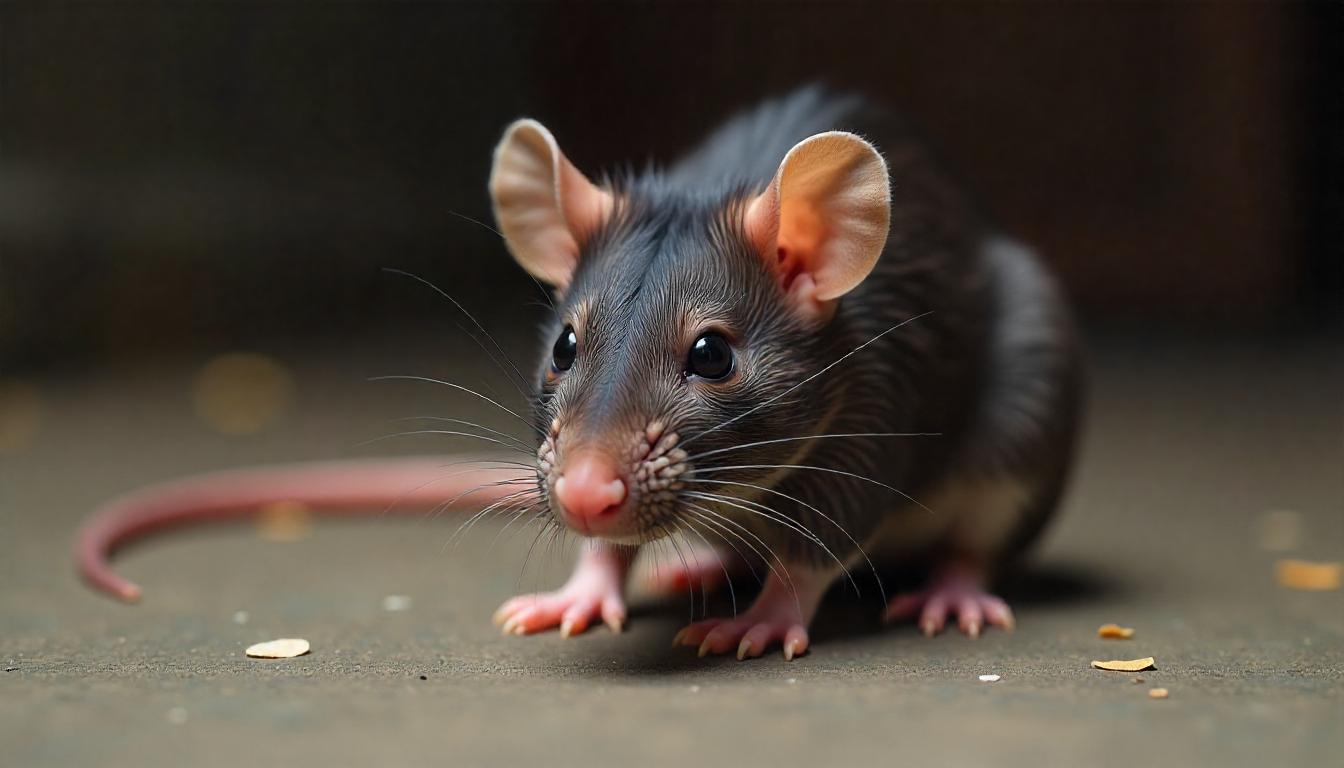
Rattus rattus & Rattus norvegicus
Discovering rats in your property can be one of the most distressing and urgent pest situations any London resident or business owner faces. The sight, sound, or smell of these persistent rodents triggers immediate anxiety about health risks, property damage, and the reputation of your home or business. At Pest Pro London, we understand that rats represent more than just a nuisance – they're a serious threat to your family's health, your property's integrity, and your peace of mind. Our BPCA-certified technicians have helped thousands of London residents and businesses eliminate rat infestations quickly and permanently, using advanced techniques specifically designed for London's unique urban environment where Victorian drainage systems, dense housing, and abundant food sources create ideal conditions for rat populations to thrive.
Professional treatment recommended within 48 hours
Quick Facts
Professional Treatment
Our Treatment Methods
- Anticoagulant rodenticides
- Snap traps and live traps
- Tracking powder
- Proofing and exclusion
- Drain surveys and baiting
Treatment Timeline: Initial treatment 2-3 visits over 2-3 weeks
Follow-up: Monthly monitoring for 3 months recommended
Preparation Required
- Clear access to affected areas
- Remove food sources
- Note all sighting locations
- Secure pets during treatment
Rat Removal in London
Common Hotspots
Most affected boroughs:
Common property types:
- Victorian terraces with connecting cellars and shared drainage systems providing neighbourhood-wide access routes
- Restaurant basements where grease traps and food storage create ideal breeding environments
- Council estates with refuse areas and multiple entry points through aging infrastructure
- Thames-side properties facing constant reinvasion from waterway populations and tourist-generated food waste
- Georgian conversions where partition walls create hidden highways between flats
- New-build developments where construction gaps and utility access points weren't properly sealed
- Commercial kitchens in high-density areas where grease and food debris accumulate in hard-to-clean areas
- Student accommodation where irregular cleaning and food storage practices create perfect conditions
Seasonal Activity in London
Current Season Activity
Mass migration indoors as temperatures drop. Properties previously unaffected may suddenly experience infestations as outdoor food sources diminish. This is when most London residents first discover they have a rat problem.
Peak breeding activity begins as temperatures warm. Pregnant females seek secure nesting sites in roof spaces and wall cavities. Outdoor populations expand rapidly, increasing pressure on neighbouring properties. Garden sheds and compost areas become primary targets.
Maximum reproduction with up to 10 litters possible. Young rats explore beyond nest sites, often discovered in unexpected locations. Restaurant and takeaway areas experience highest activity due to increased outdoor dining and food waste.
Mass migration indoors as temperatures drop. Properties previously unaffected may suddenly experience infestations as outdoor food sources diminish. This is when most London residents first discover they have a rat problem.
Peak season for domestic infestations. Rats concentrate in heated areas like boiler cupboards, kitchen voids, and loft spaces. Property damage peaks as they gnaw materials for nesting and struggle to maintain body temperature.
Rat Myths vs Facts
❌ Myth
Rats only live in dirty, run-down properties
Rats infest properties of all standards across London. They're attracted to food, water, and shelter - not dirt. Brand new developments in Westminster and luxury apartments in Canary Wharf have rat problems just like older properties.
✅ Fact
London has more rats than people
Estimates suggest 10-20 million rats live in London's sewers, tube tunnels, and buildings. That's 1-2 rats per person. The actual number is impossible to count, but rat populations definitely exceed human populations in many London boroughs.
❌ Myth
Cheese is the best bait for rats
This cartoon myth is completely false. Rats prefer high-protein foods like peanut butter, chocolate, bacon, and dried fruits. Professional pest controllers never use cheese as it's one of the least effective baits available.
✅ Fact
Rats' teeth never stop growing
Rat incisors grow 4-5 inches per year. They must constantly gnaw on hard materials to keep teeth filed down. This is why they chew through wood, plastic pipes, electrical cables, and even concrete - it's biological necessity, not vandalism.
❌ Myth
Rats are scared of humans and will avoid you
Modern urban rats have adapted to human presence. They'll run past your feet in tube stations, scurry across restaurant floors during service, and enter occupied rooms searching for food. Rats are cautious but not fearful of humans.
✅ Fact
Rats can squeeze through gaps the size of a £1 coin
Adult rats can compress their bodies through 25mm (1 inch) gaps. Their skulls are the only rigid part - if the head fits, the body follows. This is why professional proofing is essential and why rats appear in seemingly sealed buildings.
❌ Myth
Poison from shops will solve your rat problem
Shop-bought poisons are weak formulations that may kill a few rats but won't eliminate colonies. Rats develop bait shyness, and you risk secondary poisoning to pets. Professional rodenticides are 10x stronger and applied strategically.
✅ Fact
One pair of rats becomes 1,250 in one year
Female rats breed at 3 months old, produce 6-12 pups per litter, and have 5-7 litters per year. Exponential growth means 2 rats can theoretically become 1,250+ within 12 months. This is why early professional intervention is critical.
❌ Myth
Rats can't swim or climb
Completely false. Rats are excellent swimmers (can tread water for 3 days), climb vertical brickwork, scale inside pipes, and jump 1 meter vertically. They access upper-floor flats through cavity walls and drainage systems.
✅ Fact
Rats spread over 35 diseases to humans
Leptospirosis (Weil's disease), Hantavirus, Salmonella, E. coli, and rat-bite fever are just a few. Transmission occurs through urine, droppings, bites, and contaminated surfaces. One rat produces 25,000 droppings per year - each a disease vector.
UK Rat Species: Brown Rat vs Black Rat
Understanding which rat species you have determines the most effective treatment strategy and entry point locations.
🐀 Brown Rat (Norway Rat)
98% of UK Rat Infestations
- Scientific name: Rattus norvegicus
- Size: Body 20-25cm, Tail 18-23cm (tail shorter than body)
- Color: Brown or grey fur, lighter underside
- Ears: Small ears that don't reach eyes when folded forward
- Habitat: Ground level, basements, sewers, gardens, under decking
- Behavior: Burrows underground, excellent swimmer, aggressive
- Weight: 350-500g (heavier, stockier build)
- Nesting: Burrows in earth, under foundations, in cavity walls
🐀 Black Rat (Roof Rat)
2% of UK Infestations - Mostly Ports
- Scientific name: Rattus rattus
- Size: Body 16-20cm, Tail 23-28cm (tail longer than body)
- Color: Black or dark brown, grey underside
- Ears: Large ears that reach eyes when folded forward
- Habitat: Upper floors, lofts, roof spaces, high shelving
- Behavior: Excellent climber, agile, less aggressive
- Weight: 150-200g (lighter, slimmer build)
- Nesting: Elevated locations, rarely burrows underground
Brown rat infestations require ground-level bait stations, sewer treatments, and burrow treatments. Black rat infestations need loft baiting, roof void treatments, and vertical pipe tracking. Incorrect species identification leads to ineffective treatment and wasted money. Our technicians identify species on first visit to ensure correct treatment approach.
Complete Property Inspection Checklist
Use this professional inspection checklist to identify rat entry points, activity signs, and infestation severity before our technician arrives.
🏠 External Property Inspection
🏚️ Internal Property Inspection
🔍 Active Infestation Signs
Take photos of droppings, gnaw marks, and potential entry points. Note the times you hear activity. This information helps our technicians create a targeted treatment plan and identify the primary infestation source immediately upon arrival, saving time and money on your treatment.
Professional Rat Treatment Available
If you've identified rats in your property, professional treatment is essential. We provide same-day service across London with guaranteed results.
Westminster Rat Control
Same-day rat treatment in Westminster, Pimlico, Victoria, Mayfair, and surrounding areas.
View services →Camden Rat Control
Expert rat removal in Camden Town, King's Cross, Hampstead, Kentish Town, and nearby areas.
View services →Tower Hamlets Rat Control
Professional rat control in Canary Wharf, Whitechapel, Bethnal Green, and Isle of Dogs.
View services →Need Rat Removal Control?
Our BPCA-certified technicians are ready to help