
Pigeons Information & Identification Guide
Columba livia
The sight of pigeons congregating on your building, leaving acidic droppings that stain and corrode surfaces, can be incredibly frustrating for any London property owner. At Pest Pro London, we understand the overwhelming nature of pigeon problems - these persistent birds multiply rapidly, create serious health hazards through their droppings, and can cause thousands of pounds in structural damage to buildings while being notoriously difficult to deter permanently. Often dismissed as just 'messy birds,' pigeons actually pose significant health risks through over 60 transmissible diseases, create slip hazards with their corrosive droppings, and cause substantial property damage to gutters, stonework, and roofing materials. Our experienced bird management specialists have helped countless London property owners - from residential buildings to commercial premises - implement effective, humane, and legal solutions that provide long-term relief from pigeon problems while protecting both property values and public health in compliance with wildlife protection legislation.
Schedule treatment within a week
Quick Facts
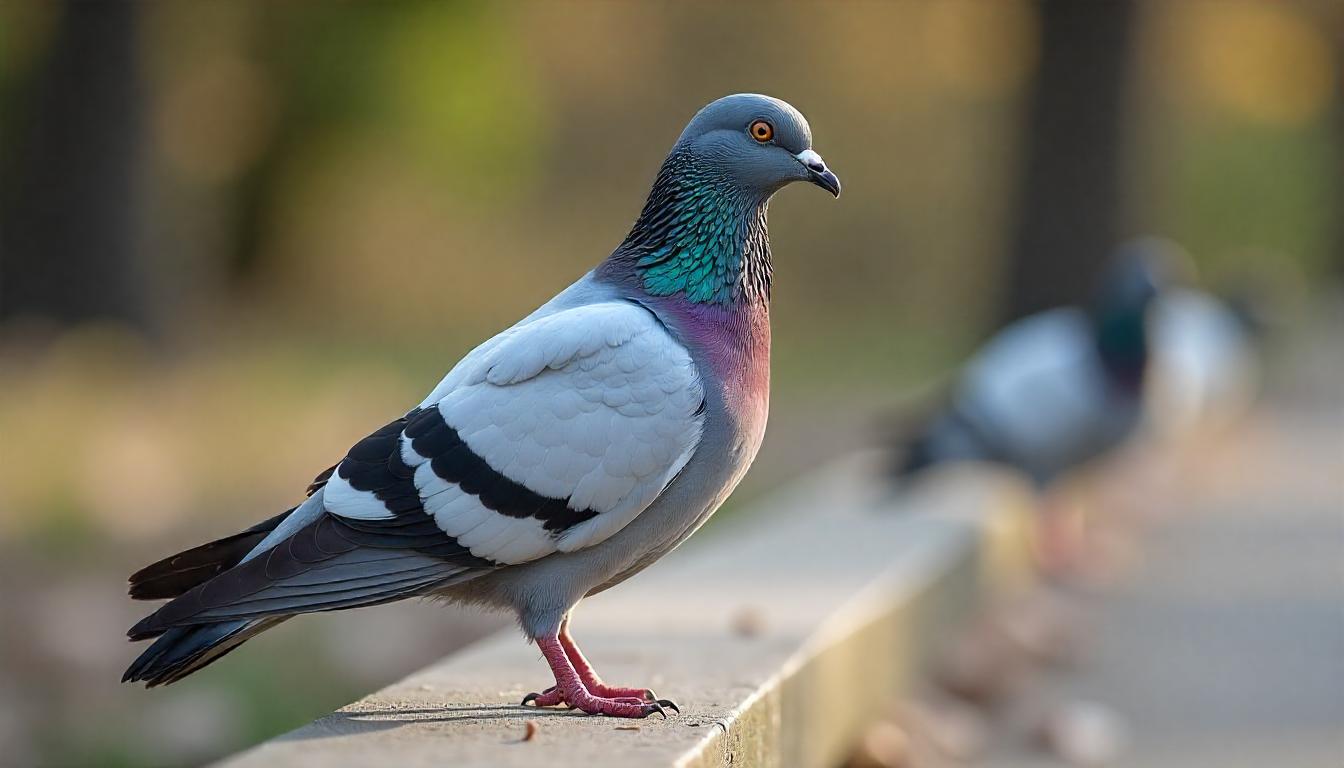
How to Identify Pigeons
Physical Features
- Plump body
- Small head
- Reddish feet
- Cooing call
- Iridescent feathers
Sounds & Signs
- Cooing
- Wing clapping
- Bill clicking
Droppings: White/green splatter, acidic
Tracks: Three toes forward, one back
Common Hiding Spots
- Under bridges
- Building alcoves
- Roof spaces
- Derelict buildings
- Behind signage
Professional Treatment
Our Treatment Methods
- Installation of deterrents
- Trapping programs
- Falconry
- Bioacoustic systems
- Population management
Treatment Timeline: Ongoing management required
Follow-up: Regular maintenance of systems
Preparation Required
- Clean all fouling
- Survey all areas
- Plan access
- Consider regulations
Pigeons in London
Common Hotspots
Most affected boroughs:
Common property types:
- Historic buildings with ornate stonework providing multiple ledges and nesting crevices perfect for pigeon colonies
- Railway stations and transport hubs offering shelter, warmth, and abundant food sources from passenger activity
- Thames bridges and infrastructure providing high, undisturbed roosting sites with easy access to water sources
- Commercial buildings with flat roofs, air conditioning units, and signage creating ideal nesting platforms
- Office blocks with ledges, balconies, and architectural features that substitute for natural cliff faces
- Retail properties with awnings, canopies, and entrance areas that provide shelter and proximity to food sources
- Residential mansion blocks and conversions with multiple access points and less frequent disturbance
- Industrial buildings and warehouses offering large, unguarded roof spaces ideal for establishing significant colonies
Seasonal Activity in London
Current Season Activity
Newly independent young birds disperse to find territories, often discovering new building sites. Flocks consolidate around reliable food sources. Building damage assessment becomes apparent as summer growth impacts become visible.
Primary breeding season begins with increased territorial behavior and nest building. Mated pairs become more aggressive in defending roosting sites. Property fouling intensifies as birds spend more time at nesting locations.
Peak breeding activity with multiple broods possible. Young birds fledge and join flocks, dramatically increasing local population density. Maximum fouling and damage to building surfaces occurs during this period.
Newly independent young birds disperse to find territories, often discovering new building sites. Flocks consolidate around reliable food sources. Building damage assessment becomes apparent as summer growth impacts become visible.
Populations concentrate around heated buildings and consistent food sources like shopping areas and transport hubs. Cold weather drives birds to seek shelter in building cavities and covered areas, increasing indoor nesting attempts.
Urban Pigeon Myths vs Facts
Myth
Pigeon droppings are just a cosmetic nuisance
Fact
Pigeon guano is highly acidic (pH 3.5-4.5) and corrodes stonework, brickwork, metal, and paintwork. Accumulations block gutters causing damp penetration and structural damage. Dried droppings become airborne dust carrying pathogens. Annual UK repair costs exceed £1 billion.
Myth
Pigeons don't carry diseases that affect humans
Fact
Pigeons transmit over 60 diseases including psittacosis (respiratory infection), cryptococcosis (fungal meningitis from dried droppings), histoplasmosis, salmonellosis, and E.coli. They carry bird mites, ticks, and fleas that bite humans. Immunocompromised individuals face serious risk from airborne spores in pigeon-contaminated areas.
Myth
Feeding pigeons is a harmless activity that helps birds
Fact
Feeding pigeons creates dependency, increases local flock size, concentrates droppings, attracts rats, and causes aggressive begging behavior. Well-fed pigeons breed year-round (up to 6 clutches annually). Many UK councils issue fixed penalty notices (£80-£500) for pigeon feeding. Feeding worsens infestation problems for entire neighborhoods.
Myth
Pigeons only nest on building ledges, not inside properties
Fact
Pigeons nest in lofts, ventilation systems, chimney breasts, solar panel gaps, and behind signage. They enter through surprisingly small gaps (7cm). Nests block ventilation, create fire hazards (nesting material near electrical), and accumulate vast quantities of droppings contaminating insulation and stored items.
Myth
All pigeons are protected by law and can't be controlled
Fact
Feral pigeons (Columba livia domestica) are NOT protected under the Wildlife and Countryside Act 1981. Property owners can control pigeons using proofing, deterrents, and licensed culling when causing health/safety risks or property damage. Wood pigeons ARE protected. Proper identification is essential before control measures.
Myth
Plastic bird spikes and netting effectively prevent pigeon roosting
Fact
Cheap plastic spikes fail within months (UV degradation, breakage). Pigeons roost between spikes or build nests on top using twigs. Bird netting requires professional installation with correct tension and zero gaps—improperly installed nets trap and kill birds. Stainless steel spikes, post-and-wire systems, and anti-roosting gel provide reliable long-term solutions when professionally installed.
Myth
Pigeons mate for life and only breed in spring/summer
Fact
While pigeons often pair-bond, they will re-pair if a mate dies. Urban pigeons breed YEAR-ROUND when food is abundant, producing up to 6 clutches annually (2 eggs per clutch). This explains why pigeon populations explode without control. Each pair can produce 12+ offspring per year, with young reaching sexual maturity at 6 months.
Myth
You can clean pigeon droppings yourself with basic cleaning products
Fact
Heavy guano accumulations (>2cm depth or >1 square meter) require professional removal under Health and Safety Executive guidelines. DIY cleaning risks respiratory infection from airborne spores. Professionals use PPE (respirators, protective suits), HEPA vacuums, biocides, and proper disposal. Employers have legal duty to protect workers from biological hazards in contaminated areas.
Myth
Ultrasonic devices and fake predator birds scare pigeons away
Fact
No scientific evidence supports ultrasonic pigeon deterrents—pigeons habituate within days. Static fake owls/hawks are ignored within hours; pigeons will roost on them. Motion-activated sound/light deterrents provide temporary relief only. Physical exclusion (spikes, netting, wire systems) is the ONLY proven long-term solution. Don't waste money on gadgets.
Myth
Pigeons are intelligent birds that remember and avoid danger
Fact
While pigeons have impressive navigational abilities, they exhibit poor behavioral adaptation to deterrents. They persistently return to established roosting/nesting sites despite harassment. This site fidelity makes them extremely difficult to deter without physical exclusion. Homing instinct is so strong they'll fly through nets with gaps or roost on spikes if they can physically balance.
Pigeon Biology & Health Risks
Understanding pigeon biology is critical for effective control. These prolific breeders cause extensive property damage and pose serious health risks through disease transmission and contaminated droppings.
🕊️Breeding & Population Dynamics
Urban feral pigeons breed continuously when food is abundant, producing 4-6 clutches annually (versus 2-3 in wild rock doves). Each clutch contains 2 eggs. Incubation lasts 17-19 days. Squabs fledge at 25-32 days but parents begin new clutch before previous young have fledged.
One breeding pair produces 12+ offspring per year. Young reach sexual maturity at 6 months. Without predation or control, populations double every 12-18 months. Central London supports 1-1.5 million pigeons. Availability of nesting sites and food are primary limiting factors.
Pigeons exhibit extreme attachment to roosting and nesting sites, returning persistently even after harassment. They recognize individual locations from up to 1,000 miles away (homing ability). This site fidelity makes deterrents ineffective—only physical exclusion works reliably.
Average urban pigeon lifespan is 3-5 years (up to 15 years possible). Juvenile mortality is high (50-70% first year) but adult survival rates are 80-90% annually. Primary mortality causes: predation (peregrine falcons, sparrowhawks), disease, vehicle strikes. Lack of natural predators in cities sustains high densities.
⚕️Disease Transmission & Health Risks
Psittacosis (Ornithosis): Bacterial infection causing flu-like symptoms, pneumonia, and in severe cases, organ failure. Transmitted via airborne particles from dried droppings. Histoplasmosis & Cryptococcosis: Fungal infections causing respiratory illness and potentially fatal meningitis in immunocompromised individuals.
Salmonellosis: Bacterial food poisoning from contaminated surfaces/food. E.coli infection: Severe gastroenteritis from contact with contaminated areas. Pigeon droppings on food preparation surfaces, ventilation intakes, and water systems create serious hygiene risks.
Pigeons carry bird mites (bite humans causing itching/rash), ticks (transmit Lyme disease), fleas, and textile beetles (damage fabrics). Nests harbor thousands of mites that invade buildings seeking blood meals when birds leave/die. Secondary infestations require professional treatment.
Immunocompromised individuals (HIV/AIDS, transplant recipients, chemotherapy patients), elderly, children, and pregnant women face heightened risk from pigeon-related pathogens. Healthcare facilities, food businesses, and schools require stringent pigeon control to prevent disease outbreaks.
🏢Property Damage & Economic Impact
Pigeon droppings (pH 3.5-4.5) corrode stonework, limestone, brickwork, metal roofing, painted surfaces, and vehicles. A single pigeon produces 25-50 lbs of guano annually. Historic buildings suffer irreversible damage to architectural features. Cleanup and restoration costs reach tens of thousands for heavily soiled buildings.
Droppings and nesting material block gutters, downpipes, and roof drainage causing water pooling, damp penetration, ceiling collapse, and internal flooding. Solar panel contamination reduces efficiency by 30-50%. Commercial roofs require frequent costly cleaning to maintain drainage function.
Pigeons build crude nests from twigs, debris, and droppings. Nests block ventilation systems (fire risk, poor air quality), create electrical fire hazards near wiring/equipment, and accumulate highly contaminated material requiring specialist removal. Abandoned nests harbor mites for months.
Pigeon infestations damage business reputation (customers perceive poor hygiene), fail food hygiene inspections, contaminate retail products, and create slip hazards from droppings. Hotels, restaurants, and retail premises lose customers. UK businesses spend £1+ billion annually on pigeon-related damage and control.
⚖️Legal Framework & Control Methods
Wildlife and Countryside Act 1981: Feral pigeons (Columba livia domestica) are NOT protected. Property owners can control pigeons causing health/safety risks or property damage using exclusion, deterrents, and licensed culling. Wood pigeons, collared doves, and racing pigeons ARE protected—correct identification is essential.
Animal Welfare Act 2006: Control methods must not cause unnecessary suffering. Glue traps are illegal. Live capture requires immediate humane dispatch. Shooting requires appropriate firearms licensing and must ensure clean kills with no risk to public safety.
Health and Safety Legislation: Employers have legal duty to control pigeon infestations posing health risks to workers/public. Heavy guano accumulations (>2cm depth) require professional removal using PPE and safe work procedures. Food businesses must eliminate pigeon contamination risks.
Professional Control Methods
Stainless steel spikes on ledges/beams (5-10 year lifespan). Post-and-wire systems for large areas (near-invisible, highly effective). Bird netting professionally installed with correct tension (lasts 10+ years). Anti-roosting gel for sensitive areas (requires reapplication every 2-3 years).
Seal all access points >7cm (pigeons squeeze through surprisingly small gaps). Install mesh on ventilation openings, proof solar panel perimeters, fit chimney cowls, repair broken roof tiles, seal loft access points. Proofing prevents internal nesting and eliminates most problems.
Full PPE (respirators, protective suits), HEPA vacuuming, biocide application to kill pathogens, safe disposal as controlled waste. Required before proofing installation. DIY cleaning of heavy accumulations risks serious respiratory infection—always use professionals.
⚠️ Critical: Why Professional Control Is EssentialPigeon control requires working at height (roof edges, high ledges), correct specification of proofing systems (wrong spike density fails immediately), safe handling of contaminated material (respiratory protection, biocides), and comprehensive coverage (missing one access point allows continued infestation). DIY attempts typically fail within months and waste money. Professional installation includes site surveys, specification, installation, cleanup, and guarantees (typically 1-5 years depending on system).
Pigeon Prevention & Property Protection Checklist
Preventing pigeon establishment is far more cost-effective than dealing with entrenched populations. Use this comprehensive checklist to identify vulnerabilities and implement protection measures before infestations develop.
🏗️Building Proofing & Physical Exclusion
🌿Food Source & Habitat Management
👁️Monitoring & Early Intervention
Most Effective Long-Term Solution: Professional Physical Exclusion
Deterrents and harassment are temporary. Only physical exclusion provides reliable long-term pigeon control. Professional installation ensures comprehensive coverage, correct specification, and warranties (1-10 years depending on system).
1. Site Survey & Specification
Professional survey identifies all roosting/nesting sites, entry points, and specifies appropriate systems (spikes, netting, wire, gel) for each location.
2. Professional Installation
Working at height with proper safety equipment. Comprehensive coverage with no gaps. Correct fixing to prevent displacement by wind/birds.
3. Warranty & Maintenance
1-10 year warranties depending on system. Annual inspections identify any damage/displacement. Much more cost-effective than repeated DIY failures.
Professional Pigeon Control in London
Expert pigeon proofing and control services across London. We provide comprehensive solutions: site surveys, professional installation of exclusion systems, guano removal, and long-term warranties protecting your property.
Westminster Pigeon Control
Professional pigeon proofing in Westminster. Protecting heritage buildings from acidic guano damage with discreet exclusion systems.
View Service →Camden Pigeon Control
Pigeon exclusion and guano removal across Camden. Comprehensive proofing solutions for residential and commercial properties.
View Service →Tower Hamlets Pigeon Control
Expert pigeon control in Tower Hamlets. Professional installation of spikes, netting, and wire systems with long-term warranties.
View Service →Need Immediate Pigeon Control Assistance?
Pigeon infestations worsen rapidly. Early professional proofing prevents costly property damage and health risks. Contact us for site surveys and comprehensive exclusion solutions.
Long-term warranties on all professional proofing installations
Need Pigeons Control?
Our BPCA-certified technicians are ready to help