
Wasp Removal Information & Identification Guide
Vespula vulgaris & Vespula germanica
Wasp problems can quickly escalate from a minor annoyance to a serious safety threat, especially for families with children or anyone with allergies. We understand the fear and urgency that comes with discovering a wasp nest on your property. At Pest Pro London, our experienced technicians provide rapid, safe wasp nest removal services across London, ensuring your family's safety while maintaining the ecological balance of your garden. These highly social insects become increasingly aggressive from late summer onwards, making professional intervention not just advisable, but essential for your safety.
Immediate professional treatment required
Quick Facts
How to Identify Wasp Removal
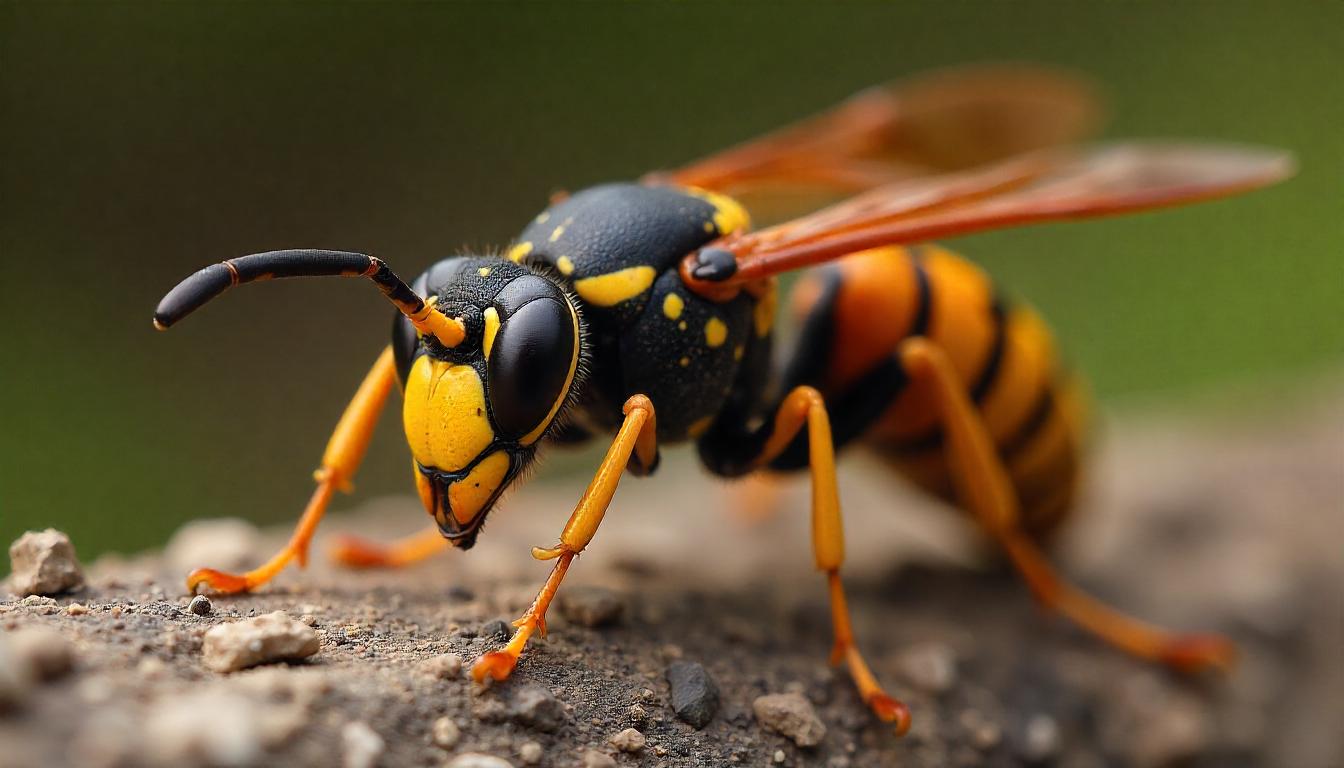
Physical Features
- Pronounced narrow waist (constriction between thorax and abdomen)
- Smooth, hairless body with glossy finish
- Bright yellow and black striped pattern
- Two pairs of clear wings with visible veins
- Yellow legs that dangle in flight
- Black antennae with slight club shape
- Triangular head with large compound eyes
- Powerful mandibles for chewing wood pulp
Sounds & Signs
- Distinctive angry buzzing when agitated
- Paper rustling sounds from nest construction
- High-pitched alarm pheromones when threatened
Droppings: Not applicable - wasps do not leave visible droppings
Tracks: Grey papery nest material, wood shavings from fence posts and garden furniture, visible flight paths to and from nest
Common Hiding Spots
- Roof eaves and soffit boards
- Behind fascia boards and guttering
- Inside cavity walls through air bricks
- Garden shed roofs and corners
- Dense privet hedges and shrubs
- Old bird boxes and garden furniture
- Underground in abandoned rodent burrows
- Behind external meter boxes
- Gaps in garden fencing and trellis
Professional Treatment
Our Treatment Methods
- Targeted insecticidal dust injection directly into nest entrance
- Professional foam treatments for aerial nests
- Complete nest removal once colony eliminated
- Residual spray treatments for repeat prevention
- Specialist access equipment for high or difficult locations
- Emergency next-day treatment for dangerous locations
- Heat treatment for nests in sensitive areas
- Environmentally sensitive treatments near water features
Treatment Timeline: Emergency next-day service available, nest elimination within 24-48 hours, complete removal after 2 weeks
Follow-up: Safety check after 48 hours, nest removal appointment after 2 weeks, preventive advice for following season
Preparation Required
- Identify exact nest location and main entrance point
- Clear safe access route for technician
- Close all windows and doors to prevent indoor wasp entry
- Keep children and pets indoors during treatment
- Remove outdoor food sources and covering
- Ensure parking access for emergency equipment
- Have emergency contact details ready for severe allergy sufferers
- Clear area of garden furniture if nest is outdoor
Wasp Removal in London
Common Hotspots
Most affected boroughs:
Common property types:
- Victorian and Edwardian houses with large roof spaces
- Suburban properties with gardens and outbuildings
- Schools with extensive grounds and outdoor dining
- Parks, gardens, and recreational facilities
- Pub gardens and outdoor dining establishments
- Golf courses and sports facilities
- Allotments and community gardens
- Care homes with garden areas
Seasonal Activity in London
Current Season Activity
Peak aggression period (August-October), maximum colony size, desperate foraging for sweet foods, highest sting risk
Queens emerge from hibernation (March-April), establish small nests in protected locations, low aggression levels
Rapid colony expansion (May-July), nest building peak, moderate wasp activity, focus on protein collection for larvae
Peak aggression period (August-October), maximum colony size, desperate foraging for sweet foods, highest sting risk
Colony dies except new queens seeking hibernation sites, old nests remain visible but empty
Wasp Myths vs Facts
Myth
Wasps are only aggressive in late summer
Fact
Wasps defend their nests aggressively throughout the entire season. Late summer brings more encounters as colonies peak at 5,000-10,000 workers.
Myth
All wasps are the same
Fact
Common Wasps and German Wasps are distinct species with different nesting preferences. Hornets (largest UK wasp) require different treatment approaches.
Myth
Wasps serve no useful purpose
Fact
Wasps are natural pest controllers, consuming thousands of garden pests including caterpillars, flies, and aphids. However, nests near human activity require professional removal.
Myth
Wasps won't sting unless provoked
Fact
Wasps perceive vibrations, shadows, and rapid movements as threats. Walking within 3-4 meters of a nest, lawn mowing, or DIY work can trigger defensive attacks.
Myth
DIY nest removal is safe with protective clothing
Fact
Disturbing a nest releases alarm pheromones that trigger mass attacks from hundreds of wasps. Multiple stings can cause severe allergic reactions requiring emergency medical treatment.
Myth
Wasps die after stinging like bees
Fact
Wasps can sting repeatedly without dying. Their smooth stingers don't get stuck in skin, allowing each wasp to deliver multiple stings during an attack.
Myth
There's only one nest per property
Fact
Multiple queens can establish separate nests in different locations on the same property. Treating one nest doesn't address others in lofts, sheds, or wall cavities.
Myth
Wasps are only attracted to sugary foods
Fact
During spring/summer, wasps hunt protein (meat, pet food) to feed larvae. Late summer sees a shift to sugar as larvae mature and workers seek carbohydrates for energy.
Myth
Wait until winter and the nest will die naturally
Fact
Active nests pose immediate danger for months. Colonies grow exponentially through summer, increasing sting risk. Professional treatment eliminates the threat without waiting for winter frost.
Myth
Wasps won't return to the same location
Fact
Queen wasps seek sheltered spots used by previous colonies. Pheromone markers and nest remnants attract new queens each spring. Professional preventative treatment reduces recurrence.
Common Wasp vs German Wasp
Understanding the two most common wasp species in London helps identify nesting locations and assess risk levels.
Common Wasp
Vespula vulgaris
● Appearance
Black and yellow striped body, 12-17mm long. Distinctive anchor-shaped black mark on face. Narrow waist between thorax and abdomen.
● Nesting Preference
Prefers dark, enclosed underground spaces: old rodent burrows, tree root cavities, compost heaps. Occasionally builds in lofts and wall cavities.
● Colony Size
5,000-10,000 workers at peak (August-September). Nest reaches football size with 10,000+ cells across multiple tiers.
● Behavior
Highly defensive near nest entrance. Attracted to outdoor dining, BBQs, and sweet drinks. Active April-November in London.
● Risk Level
High Risk - Underground nests are often discovered accidentally during gardening, causing mass attacks.
● Treatment Approach
Requires specialist insecticidal dust applied directly into nest entrance. Treatment at dusk when wasps return. Follow-up visit often necessary.
German Wasp
Vespula germanica
● Appearance
Similar black/yellow stripes, 12-16mm long. Three small black dots on face (not anchor shape). Slightly bulkier build than Common Wasp.
● Nesting Preference
Strongly prefers buildings: lofts, roof spaces, wall cavities, shed roofs. Adapts well to urban environments. Less common underground than Common Wasp.
● Colony Size
4,000-7,000 workers typically. Can reach 10,000+ in ideal loft conditions with excellent insulation and protection.
● Behavior
Extremely aggressive nest defenders. More likely to enter homes through gaps. Forages earlier in morning than Common Wasp.
● Risk Level
Very High Risk - Loft nests directly above living spaces. Workers often enter homes, posing danger to children and pets.
● Treatment Approach
Professional access to loft spaces required. Insecticidal powder treatment with entry point sealing. Same-day treatment available for indoor nests.
⚠️European Hornet (Vespa crabro)
Up to 35mm long, brown/yellow coloring. Builds nests in hollow trees, chimneys, and wall cavities. Less aggressive than wasps but delivers more painful stings. Colonies reach 300-500 workers. Requires specialist treatment due to size and nest location challenges. Protected in some European countries but controlled in UK when posing risk to public safety.
Complete Wasp Nest Inspection Checklist
Use this checklist to identify wasp nests and assess the risk level. Never approach a nest closer than 4 meters.
🏠Common Nesting Locations
🔍Signs of Wasp Activity
⚡High-Risk Times & Situations
🚨DANGER: Never Attempt DIY Wasp Nest Removal
Nest Disturbance = Mass Attack
Wasps release alarm pheromones when nest is threatened, triggering coordinated attacks from hundreds of workers. Each wasp can sting multiple times.
Medical Emergency Risk
Multiple stings can cause anaphylactic shock even without previous allergies. 10+ stings require immediate medical attention. Always call professionals.
Same-Day Professional Treatment
Our pest control experts use professional-grade treatments with full safety equipment. Emergency appointments available. Treatment typically completed within 1-2 hours.
Professional Wasp Control in London
Expert wasp nest removal services across London with same-day emergency appointments. Never attempt DIY removal.
Westminster Wasp Control
Professional wasp nest removal and treatment for Westminster properties.
Learn More →Camden Wasp Control
Same-day wasp nest removal services for Camden homes and businesses.
Learn More →Tower Hamlets Wasp Control
Expert wasp nest treatment throughout Tower Hamlets.
Learn More →Same-day wasp nest removal available
Never attempt DIY removal - call professionals immediately
Need Wasp Removal Control?
Our BPCA-certified technicians are ready to help