
Wasp Nest Removal in Westminster
Vespula vulgaris (Common Wasp) · Vespula germanica (German Wasp)
Safe, fast wasp nest removal and control across Westminster, serving Pimlico, Victoria, Westminster, St James's, Mayfair, and all surrounding areas. Discovering a wasp nest in your Westminster property requires immediate professional attention. Our BPCA-certified technicians provide same-day emergency response, safe wasp nest treatment using professional-grade insecticides, and guaranteed results. Emergency same-day wasp nest removal available. BPCA certified technicians safely remove wasp nests from lofts, walls, gardens, and difficult-to-reach locations using professional-grade treatments..
Do not approach or disturb the nest. Wasps become extremely aggressive when threatened. Professional removal required to prevent stings.
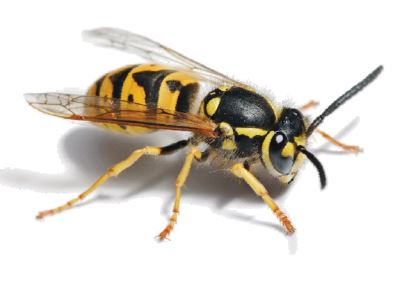
Wasps – Quick Facts
Identifying Wasp Nests and Activity
Physical Features of Wasps
- Body length: 10-20mm (worker wasps)
- Distinctive black and yellow striped abdomen
- Narrow "wasp waist" between thorax and abdomen
- Two pairs of wings, front wings larger
- Smooth, shiny body (unlike fuzzy bees)
- Powerful mandibles for chewing
- Smooth stinger - can sting multiple times
- Long antennae, always moving
Signs of Wasp Nest Activity
- High numbers of wasps in a specific area
- Wasps flying in and out of a single point
- Buzzing sounds from walls, lofts, or roof spaces
- Visible nest - grey/brown papery material
- Wasps gathering around sweet foods/drinks
- Chewed wood fragments near nest entrance
- Aggressive wasp behavior near nest
- Peak activity during warm, sunny days
Nest Appearance: Grey or brown papery sphere made from chewed wood fibres. Golf ball-sized in spring, football-sized or larger by late summer
Common Species: Common wasp (Vespula vulgaris) and German wasp (Vespula germanica) - both build similar nests
Common Wasp Nest Locations
- Roof spaces and lofts (warm, undisturbed)
- Wall cavities and airbricks
- Garden sheds and outbuildings
- Under eaves and soffits
- Garages and car ports
- Trees, bushes, and hedges
- Underground burrows and old rodent holes
- Behind fascia boards
- Chimneys (inactive or rarely used)
- Compost bins and garden structures
Wasp Sting Risks and Dangers
Health Risks from Wasp Stings
- Painful stings causing swelling and redness
- Allergic reactions (anaphylaxis) in 1-3% of population
- Multiple stings can cause severe reactions
- Venom causes localized pain lasting hours to days
- Risk of secondary infections from scratching stings
- Can sting multiple times (unlike bees)
- Particularly dangerous for children and elderly
Aggressive Behavior
- Wasps defend nests aggressively when threatened
- Can swarm in large numbers (hundreds of wasps)
- Release alarm pheromones calling more wasps
- Most aggressive in late summer (August-September)
- Attracted to sugary foods and drinks
- Become more aggressive in autumn when food scarce
- Can pursue perceived threats for several meters
Property and Lifestyle Impact
- Inability to use gardens during peak wasp season
- Dangerous for outdoor dining and children playing
- Nests in walls can chew through plasterboard
- Structural damage from nest building
- Anxiety and stress from wasp presence
- Difficulty selling property with active nest
- Nest size increases exponentially through summer
Professional Wasp Nest Removal Methods
Our Wasp Nest Treatment Methods
We use professional methods tailored to nest location and size:
- Insecticide Powder Treatment: Professional-grade permethrin or bendiocarb dust applied directly into nest entrance. Wasps carry powder into nest, contaminating entire colony. Most effective method for cavity nests.
- Spray Treatment: Liquid insecticide for exposed nests in lofts, sheds, or trees. Fast-acting formula kills on contact. Used when direct nest access is possible.
- Long-Reach Equipment: Specialist poles and applicators for high nests (chimneys, roof peaks). Allows safe treatment from ground level without ladders.
- Full Protective Equipment: Professional bee suits, gloves, and veils worn for all treatments. Ensures technician safety when treating aggressive nests.
- Follow-Up Guarantee: If wasps return within treatment period, we re-treat at no extra charge. Rare but covered in our service guarantee.
What to Expect During Treatment
Professional wasp nest removal process:
- Before Treatment: Keep all windows and doors closed. Keep children and pets indoors. Do not disturb the nest. Point out nest location from safe distance.
- During Treatment: Technician suits up in full protective equipment. Locates and assesses nest. Applies insecticide powder or spray directly to nest entrance. Treatment takes 30-60 minutes.
- After Treatment: Most wasps die within 24 hours. Complete nest elimination within 48 hours. Do not approach nest for 24 hours. Leave nest in place - it becomes inactive.
- Physical Nest Removal: NOT recommended. Once treated, nest is harmless and will naturally deteriorate. Removal risks disturbing surviving wasps. New wasps don't reuse old nests.
Preventing Wasp Nests
Early Season Prevention (April-June)
- Monitor lofts, sheds, and roof spaces in April-May
- Check for queen wasps building small nests
- Small nests (golf ball size) easier to treat
- Seal gaps in soffits, fascias, and airbricks
- Block access to wall cavities
- Early treatment prevents large nests forming
Food Source Management
- Cover food and drinks outdoors
- Keep bin lids tightly closed
- Clean up food spills immediately
- Remove fallen fruit from gardens
- Don't leave pet food outside
- Wasps attracted to sweet foods and proteins
Property Maintenance
- Repair holes in soffits and fascias
- Seal cracks in walls and mortar
- Fit mesh screens to airbricks
- Keep lofts well-ventilated
- Trim trees and shrubs away from buildings
- Regular garden maintenance to spot nests early
What NOT to Do
- Never attempt to remove nest yourself
- Don't use DIY wasp killer sprays near nests
- Don't block nest entrance (traps wasps inside property)
- Don't spray nests with water or hit with objects
- Don't use smoke or fire - extremely dangerous
- Call professionals at first sign of nest - early treatment safest
Wasp Nest Removal Services Across Westminster
Common wasps (Vespula vulgaris) and German wasps are prevalent in this area, particularly during peak season from August to September. Wasp nests are frequently found in lofts, wall cavities, roof spaces, and garden sheds. Properties with accessible roof spaces and older buildings with gaps in brickwork experience higher nest establishment rates. Professional treatment is essential as colonies can contain thousands of wasps, posing significant sting risks to residents and requiring specialist removal equipment.
Areas We Serve in Westminster
We provide rapid wasp nest removal response across all Westminster neighborhoods including:
Property Types We Treat
Period conversions, Victorian terraces, Edwardian houses, properties with lofts and roof spaces, homes with garden sheds and outbuildings, buildings with cavity walls
Seasonal Wasp Activity in Westminster
Wasp colonies start small in spring (April-May) with queen wasps establishing nests. Colonies grow rapidly through summer, reaching peak size in August-September when worker populations are highest. This is when wasps become most aggressive and problematic. Colonies die off in autumn, with only fertilized queens surviving winter. Treatment most effective in early summer before nests grow large.
We also serve neighboring areas including Camden, Kensington Chelsea, Lambeth, Southwark. In addition to wasps, we provide expert treatment for bed bugs, rats, and other common household pests.
Wasp Nest Removal FAQs
Need Wasp Nest Removal in Westminster?
Emergency same-day wasp nest removal available. BPCA certified technicians safely remove wasp nests from lofts, walls, gardens, and difficult-to-reach locations using professional-grade treatments.. Emergency same-day service available.