
Spiders Information & Identification Guide
Various species
Spider phobia affects millions of people, and discovering webs throughout your home can trigger genuine fear and anxiety. While we understand that spiders are natural pest controllers, we also recognize when they become a problem that affects your comfort and peace of mind. At Pest Pro London, we provide sensitive, effective spider control that balances ecological responsibility with your family's wellbeing. Some London spiders, particularly the increasingly common false widow, can deliver medically significant bites, making professional identification and management essential for your safety.
Schedule treatment within a week
Quick Facts
How to Identify Spiders
Physical Features
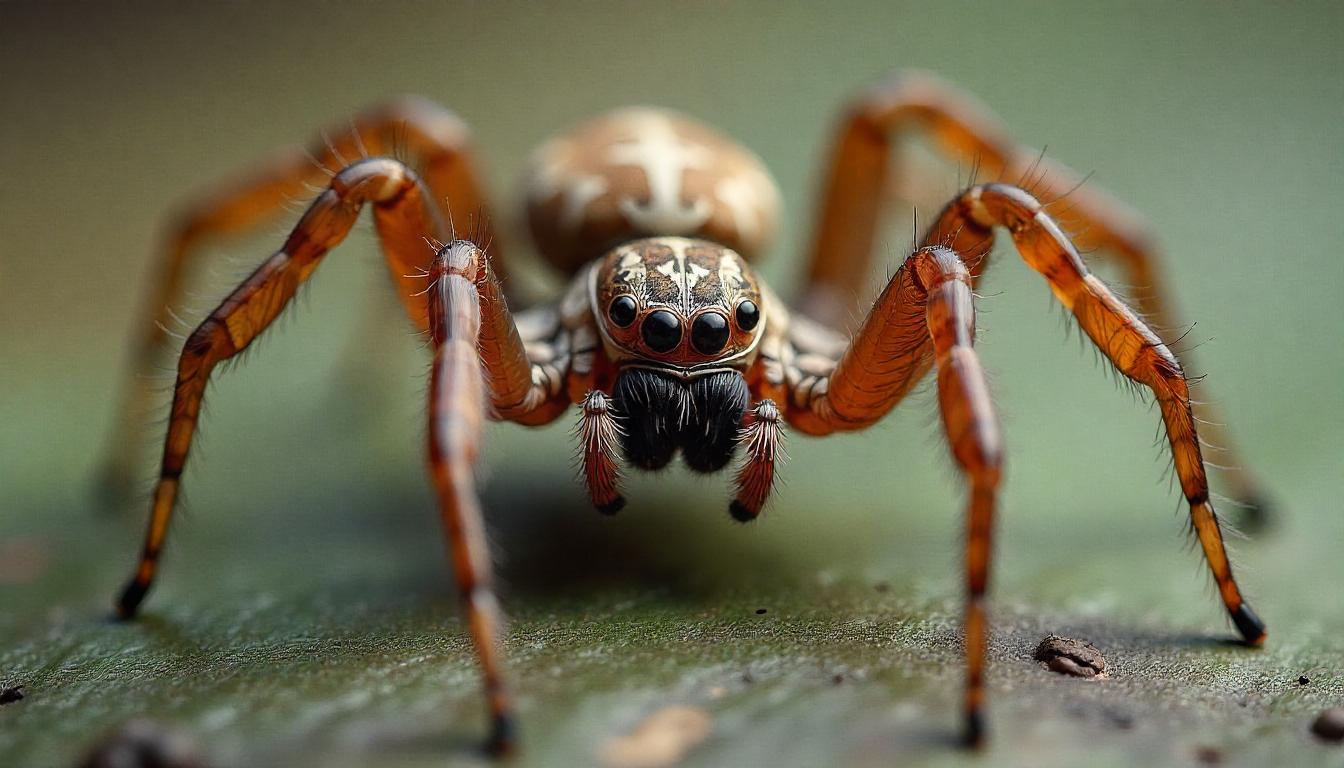
- Eight jointed legs attached to cephalothorax
- Two distinct body segments (cephalothorax and abdomen)
- Multiple eyes arranged in species-specific patterns (usually 8)
- Silk-producing spinnerets at rear of abdomen
- Pair of pedipalps near mouth (enlarged in males)
- Chelicerae (fangs) for venom injection
- Some species hairy (wolf spiders), others smooth (false widows)
- Distinctive web patterns vary by species
Sounds & Signs
- Generally silent
- Possible slight rustling when moving through webs
- Courtship vibrations on webs (not audible to humans)
Droppings: Small dark spots below webs, white uric acid deposits mixed with prey remains
Tracks: Distinctive web patterns, silk draglines, egg sacs, molted exoskeletons, captured prey remains
Common Hiding Spots
- Behind and under furniture, especially beds and wardrobes
- Window and door frames, particularly corners
- Ceiling corners and light fittings
- Under stairwells and in cupboards
- Behind radiators and heating pipes
- In garage corners and garden storage
- Between books and in storage boxes
- External meter boxes and garden features
- Brick crevices and cavity wall openings
Professional Treatment
Our Treatment Methods
- Targeted residual spray treatments for harboring areas
- Professional web removal and cleanup
- Dust applications in cavity walls and roof spaces
- Monitoring and identification of problem species
- Exclusion work to prevent re-entry
- Integrated pest management focusing on prey reduction
- Specialist false widow elimination protocols
- Safe removal and relocation when appropriate
Treatment Timeline: Initial assessment and first treatment within 48 hours, typically resolved with 1-2 treatments, ongoing monitoring for 6-8 weeks
Follow-up: Progress monitoring after 2 weeks, retreat if necessary after 4-6 weeks, seasonal prevention advice, annual inspection recommended
Preparation Required
- Clear access to all treatment areas
- Note and photograph problem areas and spider types
- Remove clutter from affected areas
- Vacuum existing webs before treatment
- Secure pets during treatment application
- Identify specific species if possible for targeted treatment
- Clear storage areas for inspection
- Document bite incidents if false widows suspected
Spiders in London
Common Hotspots
Most affected boroughs:
Common property types:
- Older Victorian and Edwardian properties with more hiding spots
- Garden sheds and outbuildings
- Garages and basement areas
- Properties with extensive storage areas
- Homes backing onto parks or green spaces
- Buildings with cavity walls and roof spaces
- Commercial premises with warehousing
- Schools and public buildings with storage areas
Seasonal Activity in London
Current Season Activity
Major indoor migration as spiders seek warmth, peak home invasion period, egg-laying season
Mating season begins, increased spider movement and web-building activity
Garden species peak activity, outdoor spiders most visible, breeding period for most species
Major indoor migration as spiders seek warmth, peak home invasion period, egg-laying season
Reduced activity but spiders remain in heated homes, false widows stay active indoors
Spider Myths vs Facts
Myth
All spiders are dangerous and bite people
Fact
UK spiders are harmless to humans. Even False Widow spiders (our only medically significant species) rarely bite and cause only minor, localized reactions similar to a bee sting.
Myth
Spiders are aggressive and attack humans
Fact
Spiders are defensive, not aggressive. They bite only when trapped against skin or severely threatened. Most "spider bites" are actually other insect bites or skin conditions.
Myth
You swallow 8 spiders per year while sleeping
Fact
This is completely false. Spiders actively avoid humans, especially sleeping people who produce vibrations, breath, and warmth. This myth was created as an internet hoax in 1993.
Myth
Spiders infest homes like other pests
Fact
Spiders are solitary hunters that don't form colonies or breed indoors. They enter homes seeking prey (flying insects) or shelter. Their presence often indicates another pest problem.
Myth
Conkers and citrus peels repel spiders
Fact
No scientific evidence supports natural spider repellents. Spiders navigate using vibrations, not smell. Professional treatment and structural proofing are the only effective control methods.
Myth
Giant house spiders are dangerous
Fact
Giant House Spiders are completely harmless. They're fast-moving hunters that catch flies and other pests. Their size and speed frighten people, but they cannot bite through human skin.
Myth
Killing one spider attracts more spiders
Fact
False. Spiders are solitary and don't communicate or gather around dead spiders. High spider numbers indicate abundant prey (other insects), not spider attraction.
Myth
Spiders are insects
Fact
Spiders are arachnids, not insects. They have 8 legs (insects have 6), no antennae, two body segments (insects have 3), and produce venom and silk.
Myth
A clean home won't have spiders
Fact
Spiders enter seeking prey, not food debris. Even spotless homes have spiders if flying insects are present. Regular vacuuming removes webs and eggs, but doesn't prevent entry.
Myth
All spiders make webs
Fact
Only web-building species create sticky webs. Giant House Spiders and False Widows are active hunters that chase prey. Garden Spiders build elaborate orb webs outdoors.
Common UK Spider Species
Understanding the most common spider species in London homes helps identify when professional control is needed.
Giant House Spider
Eratigena atrica
● Appearance
Large brown spider, 10-15mm body, 45-75mm leg span. Hairy legs, mottled brown markings. Males smaller than females.
● Habitat
Sheds, garages, window frames, gaps behind furniture. Creates funnel-shaped webs in corners. Most visible August-October when males search for mates.
● Behavior
Extremely fast runner (one of UK's fastest spiders). Nocturnal hunter that catches flies, mosquitoes, and moths. Often seen running across floors at night.
● Lifespan
Males die after mating (autumn). Females live 2-3 years, producing 40-60 eggs per egg sac.
● Risk Level
Harmless - Cannot bite through human skin. Fangs too small and weak. Beneficial pest controller.
● Control Approach
Regular vacuuming removes webs and eggs. Seal entry points. Treatment only needed for severe phobias or excessive numbers indicating other pest problems.
False Widow Spider
Steatoda nobilis
● Appearance
Shiny dark brown to black, bulbous abdomen, 8-14mm body. Cream markings on abdomen (skull-like pattern). Resembles Black Widow but much less dangerous.
● Habitat
Wall cavities, behind furniture, conservatories, outbuildings, window frames. Creates tangled cobwebs with sticky strands. Prefers undisturbed locations.
● Behavior
Nocturnal web-builder. Hangs upside down in web. Shy and non-aggressive. Bites only when trapped or handled roughly (very rare).
● Lifespan
Females live 2-3 years. Produces 4-5 egg sacs per year with 50-200 eggs each. Population increasing in Southern England.
● Risk Level
Low Risk - UK's only medically significant spider. Bite causes minor pain, redness, swelling (similar to bee sting). Rarely requires medical attention.
● Control Approach
Professional treatment recommended for infestations. Residual insecticide to web locations. Remove clutter and seal entry points. Monitor egg sacs.
Garden Spider
Araneus diadematus
● Appearance
Brown/grey with white cross marking on abdomen, 10-17mm body. Plump, round abdomen. Females significantly larger than males.
● Habitat
Exclusively outdoors: gardens, hedges, bushes, between fence posts. Builds large circular orb webs (30cm diameter). Rarely enters buildings.
● Behavior
Rebuilds web daily at dawn. Sits in center of web waiting for prey. Catches flies, wasps, mosquitoes. Most visible August-October.
● Lifespan
Adults live one season. Females lay 300-800 eggs in autumn, then die. Spiderlings emerge in spring, mature by late summer.
● Risk Level
Beneficial - Completely harmless. Excellent garden pest controller. Walking into webs is the only "problem" they cause.
● Control Approach
No control needed. Relocate webs from doorways/paths using stick. Natural pest control for gardens - should be preserved when possible.
✓Spiders Are Beneficial Pest Controllers
UK spiders consume millions of tonnes of insects annually. Each spider eats 2,000+ pests per year including flies, mosquitoes, moths, and other nuisance insects. Professional spider control is only recommended when numbers are excessive or causing significant distress (arachnophobia). Most spider "problems" are actually signs of underlying flying insect infestations.
Spider Management & Prevention Checklist
Use this checklist to reduce spider presence and identify when professional control is appropriate.
🏠Prevention Measures
⚠️When To Seek Treatment
✓Safe Removal Methods
💡Spider Presence Assessment
Normal (1-3 spiders)
Healthy ecosystem indicator. Spiders controlling flying insects. No action needed unless causing distress.
Moderate (4-9 spiders)
Underlying flying insect population likely. Implement prevention measures. Consider treating insect problem rather than spiders.
High (10+ spiders)
Professional assessment recommended. Investigate underlying pest problems. Treatment available for severe cases or arachnophobia.
Professional Spider Control in London
Expert spider management services for severe infestations and arachnophobia sufferers. Treatment includes underlying pest control.
Westminster Spider Control
Professional spider treatment and prevention for Westminster properties.
Learn More →Camden Spider Control
Expert spider management for Camden homes and businesses.
Learn More →Tower Hamlets Spider Control
Comprehensive spider solutions throughout Tower Hamlets.
Learn More →Professional spider control available
Treatment addresses underlying insect problems
Need Spiders Control?
Our BPCA-certified technicians are ready to help