
Professional Ant Treatment in Camden
Lasius niger (Black Garden Ant) · Monomorium pharaonis (Pharaoh Ant)
Expert ant treatment and long-term protection across Camden, serving , and all surrounding areas. Discovering ant trails in your Camden property requires professional intervention. Our BPCA-certified technicians provide same-day service, targeted gel bait treatments, residual spray applications, and complete colony elimination. Professional ant treatment with guaranteed results. BPCA certified technicians use industry-approved baits and sprays to eliminate ant colonies and prevent re-infestation..
Ant infestations grow rapidly as colonies expand. Early treatment prevents large-scale infestations and damage to food supplies.
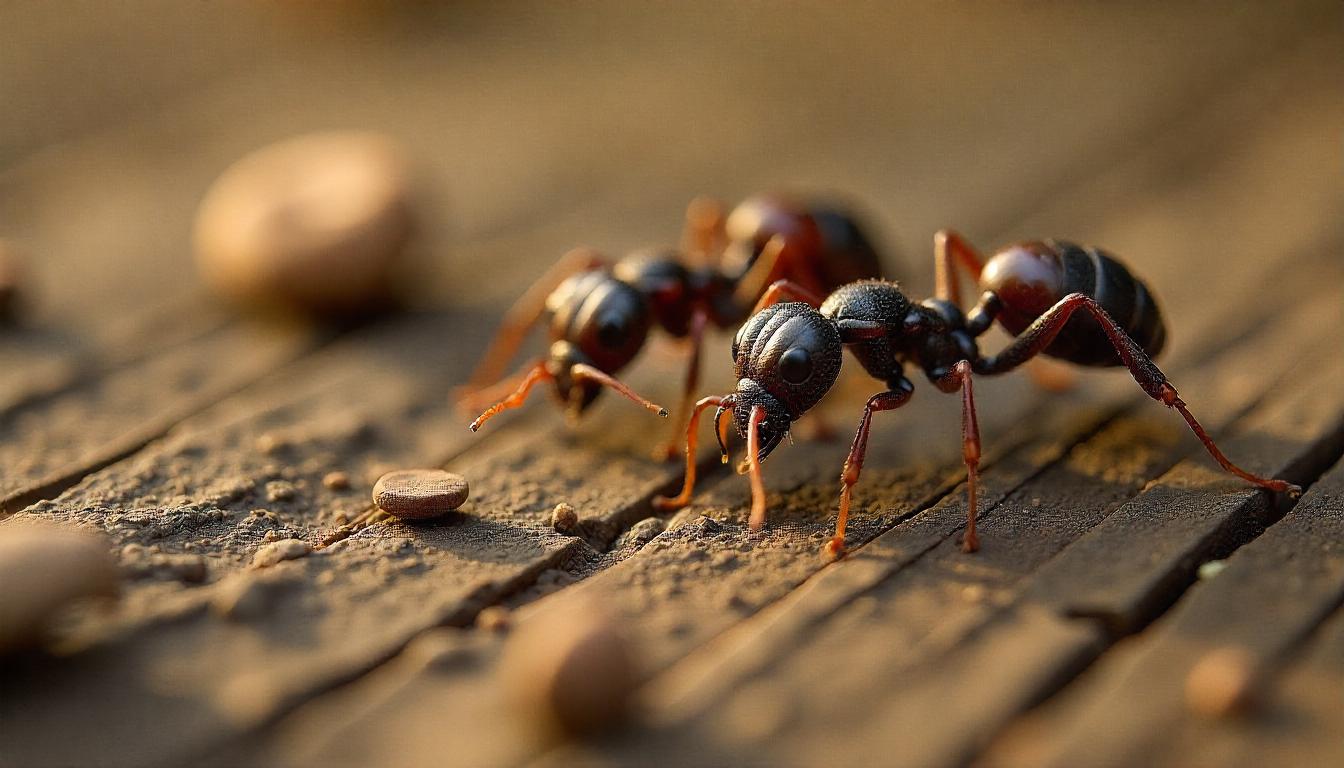
Ants – Quick Facts
Recognising Ant Infestations
Physical Features of Ants
- Body length: 3-5mm (black garden ant workers)
- Color: Dark brown to black (most common UK species)
- Body structure: Head, thorax, abdomen with narrow waist
- Antennae: Elbowed antennae with 12 segments
- Six legs attached to thorax
- Mandibles (jaws) for carrying food and larvae
- Pharaoh ants: Smaller (2mm), light brown/yellow color
- Argentine ants: Light to dark brown, 2-3mm
Signs of Ant Infestation
- Ant trails - lines of ants following scent paths
- Ants in kitchens near food sources
- Small piles of soil or sand (nest entrances)
- Ants crawling on walls and work surfaces
- Flying ants (winged reproductives) in summer
- Ant nests in gardens under paving or in lawns
- Increased activity in warm, dry weather
- Pharaoh ants: near water sources and heating
Ant Trails: Worker ants follow chemical scent trails (pheromones) between nest and food source, creating visible lines of ants
Common Species: Black garden ant (Lasius niger) most common in UK homes. Pharaoh ants infest heated buildings.
Common Ant Nest Locations
- Garden soil under paving slabs and patios
- Lawn edges and turf
- Under stones and garden pots
- Wall cavities (especially pharaoh ants)
- Under floorboards and skirting boards
- Compost heaps and rotting wood
- Tree stumps and fallen logs
- Cracks in concrete and brickwork
- Behind kitchen units and appliances
- Insulation spaces in heated buildings
Dangers of Ant Infestations
Health and Hygiene Risks
- Food contamination from ants walking on surfaces
- Pharaoh ants spread bacteria in hospitals and care homes
- Ants transfer pathogens from bins to food preparation areas
- Risk of E. coli, Salmonella, and other bacteria
- Particularly dangerous in commercial kitchens
- Some species bite when disturbed
- Contaminated food must be discarded
Property Damage
- Ant nests undermine paving and patios
- Soil deposits on pathways from nest building
- Pharaoh ants chew through electrical insulation
- Damage to lawns and garden plants
- Weakening of mortar in brickwork
- Nests in wall cavities damage insulation
- Large colonies can shift soil foundations
Nuisance and Infestation Growth
- Constant ant trails across kitchens and bathrooms
- Ants in stored food products
- Difficulty using outdoor spaces in summer
- Colonies grow rapidly - thousands of workers
- Multiple satellite nests can form
- Pharaoh ants very difficult to eradicate without professional treatment
- Flying ants emerge in swarms during mating season
Professional Ant Treatment Solutions
Our Ant Control Treatment Methods
We use professional methods tailored to ant species and infestation severity:
- Gel Bait Treatment: Professional ant baits (Maxforce, Advion) placed in ant trails and entry points. Worker ants carry poison back to nest, killing queen and colony. Most effective for complete elimination.
- Residual Spray Treatment: Long-lasting insecticide sprays (fipronil, imidacloprid) applied to entry points, skirting boards, and affected areas. Provides 2-3 months protection.
- Dust Treatment: Insecticide powder for wall cavities and difficult-to-reach nests. Effective for pharaoh ants in wall spaces.
- Outdoor Nest Treatment: Direct treatment of garden nests using professional-grade products. Prevents ants entering buildings.
- Follow-Up Treatments: Multiple visits (2-3 treatments) ensure complete colony elimination. Essential for pharaoh ant infestations.
What to Expect During Treatment
Professional ant control process:
- Before Treatment: Clean up food spills. Identify and show us ant trails. Do not use DIY sprays 24 hours before treatment (interferes with baits).
- During Treatment: Technician inspects property and identifies ant species. Places gel baits in ant pathways and entry points. Applies residual spray to affected areas. Treats outdoor nests if located. Treatment takes 45-90 minutes.
- After Treatment: Do not clean ant trails for 48 hours (allows baits to work). Keep pets/children away from treated areas until dry. Ant activity reduces within 3-5 days. Complete elimination within 1-2 weeks.
- Follow-Up Visits: Second treatment after 2-3 weeks targets newly hatched ants. Third treatment if needed for stubborn infestations. Most cases resolved with 2 treatments.
Ant Prevention Strategies
Food and Hygiene Management
- Clean up food spills and crumbs immediately
- Store food in sealed containers
- Don't leave pet food out overnight
- Empty bins regularly and keep lids closed
- Wipe down surfaces to remove food traces
- Fix leaking taps (ants need water)
- Clean behind appliances where crumbs accumulate
Proofing and Exclusion
- Seal cracks in walls and around pipes
- Fill gaps around windows and doors
- Repair damaged skirting boards
- Seal entry points where ant trails enter
- Install door sweeps on external doors
- Repair damaged mortar between bricks
- Use silicone sealant for small gaps
Garden Maintenance
- Move paving slabs to disrupt nests
- Remove garden debris and rotting wood
- Trim vegetation away from building walls
- Treat visible garden nests early
- Keep compost bins away from buildings
- Regular lawn maintenance
- Remove aphid-infested plants (ants farm aphids)
What NOT to Do
- Don't use surface sprays on ant trails (stops baits working)
- Don't block nest entrance without treating colony
- Avoid leaving sugary foods uncovered
- Don't ignore small ant problems - they grow rapidly
- Don't use multiple DIY products together
- Call professionals for pharaoh ants - DIY rarely works
Ant Treatment Throughout Camden
Ant infestations in Camden properties primarily involve Black garden ants (Lasius niger), which nest in gardens and under paving stones. During June-August, ant activity peaks as colonies reach maximum size and workers forage extensively for food and water. Ants enter through ground-level gaps, utility penetrations, and doorways. Commercial premises including restaurants and cafes require professional treatment to maintain hygiene standards and prevent contamination.
Areas We Serve in Camden
We provide rapid ant control response across all Camden neighborhoods including:
Property Types We Treat
Residential properties with gardens, ground floor apartments, basement flats, houses with conservatories, commercial buildings with food preparation areas, multi-unit developments
Seasonal Ant Activity in Camden
Summer months (June-August) see peak ant activity as colonies expand and workers forage for food. Flying ants appear in July-August during warm, humid conditions. Outdoor nests in gardens and under paving produce thousands of workers that trail into properties. Indoor foraging peaks during hot weather when outdoor resources diminish. Professional treatment in spring and early summer provides best control before colonies reach maximum size.
We also serve neighboring areas including . In addition to ants, we provide expert treatment for bed bugs, rats, and other common household pests.
Ant Treatment Information
Need Ant Treatment in Camden?
Professional ant treatment with guaranteed results. BPCA certified technicians use industry-approved baits and sprays to eliminate ant colonies and prevent re-infestation.. Emergency same-day service available.