
German Cockroach Removal in Newham
Blattella germanica
Complete cockroach elimination by certified specialists. We tackle even severe German cockroach infestations in homes and businesses. across Newham, serving Stratford, East Ham, Upton Park, Plaistow, Canning Town, and all surrounding areas. Your local pest control specialists - we target German (light brown, 12-15mm, warm humid spaces) and Oriental (dark/black, 20-30mm, cool damp basements and drains) species infestations at the source. Our BPCA-certified technicians provide same-day emergency response, professional treatment using commercial-grade gel baits and residual sprays, with guaranteed elimination. Our German cockroach specialists guarantee complete removal. If cockroaches return within 30 days, so do we - free of charge..
Immediate professional cockroach treatment required near you. German cockroaches breed rapidly (up to 30,000 offspring per year) and contaminate food surfaces with disease-causing bacteria in Newham homes and businesses. Local pest control experts respond same-day.
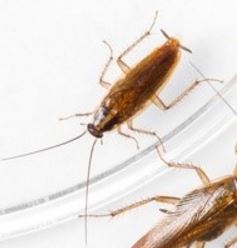
Cockroaches – Quick Facts
Signs of German Cockroach Infestation
Identifying German and Oriental Cockroaches
German Cockroaches: Most common UK species. Small size 12-15mm, light brown with two dark stripes behind head. Prefer warm, humid kitchens and bathrooms. Flattened body allows access to narrow cracks. Distinctive musty odor in large infestations.
Oriental Cockroaches: Larger at 20-30mm, dark brown to black appearance. Prefer cool, damp basements and drains. Males have wings, females have wing stubs, neither can fly. Strong unpleasant odor, often called "black beetles" in UK.
Key Signs of Cockroach Infestation
- Live cockroach sightings during daytime - indicates large population (normally nocturnal, active 11pm-4am)
- Cockroach droppings - German leave pepper-like specks; Oriental produce larger cylindrical droppings in cupboards, drawers, countertops
- Egg cases (oothecae) - German: light brown 8mm capsules; Oriental: dark reddish-brown 10-12mm cases in hidden locations
- Strong musty odor - oily smell in kitchens, bathrooms, and infested areas from cockroach pheromones
- Shed skins - brown exoskeletons near harbourage sites, cupboards, appliances, drains
Where Cockroaches Hide
German cockroaches in warm areas: Behind kitchen appliances (fridges, ovens, dishwashers), inside cabinets and drawers, electrical equipment (toasters, kettles), boilers, wall cracks, and kitchen tiles.
Oriental cockroaches in damp areas: Basements, cellars, drains, sewers, under sinks, leaking pipes, crawl spaces, outdoor bins, toilet bases, and wall cavities with dampness.
Our Cockroach Removal Process
Professional German Cockroach Treatment Methods
Our BPCA-certified technicians use proven methods specifically effective against German cockroaches:
- Gel Bait Application: Professional-grade gel baits containing Fipronil or Indoxacarb applied to cracks, crevices, and harbourages. Cockroaches consume bait and carry it back to colonies, providing secondary kill. Highly effective with minimal preparation. Results visible within 7-14 days.
- Residual Insecticide Spraying: Pyrethroid-based sprays applied to surfaces, baseboards, and void spaces. Kills on contact and provides 3-month residual barrier. Applied to areas cockroaches travel and hide. Requires vacating for 4-6 hours.
- Insecticidal Dust Treatment: Diatomaceous earth or silica gel dust blown into wall voids, behind electrical outlets, and under appliances. Desiccates cockroaches on contact. Long-lasting protection (6-12 months) in inaccessible areas.
- Insect Growth Regulators (IGRs): Hydroprene or Methoprene disrupts cockroach reproduction and development. Prevents nymphs from reaching maturity. Used alongside other treatments for long-term population control.
- Monitoring and Follow-up: Sticky traps placed to monitor activity levels and identify remaining harbourages. Follow-up visits at 2-3 week intervals ensure complete elimination. Most infestations require 2-4 treatments.
What to Expect: Treatment Timeline
Understanding the cockroach treatment process helps set realistic expectations:
- Day 1 (Initial Treatment): BPCA-certified technician inspects property, identifies species and harbourages. Applies gel baits, residual sprays, and IGRs to targeted areas. Treatment typically takes 1-2 hours. Some dead cockroaches may be visible immediately.
- Days 2-7 (Peak Activity): You may see increased cockroach activity as they emerge from hiding spots. This is normal - cockroaches are being affected by treatment. Continue to see dead and dying cockroaches. Do not clean treated areas.
- Week 2-3 (Follow-up Visit): Second treatment targets newly hatched nymphs from egg cases. Activity should reduce significantly by this point. Technician assesses treatment effectiveness and reapplies products as needed.
- Week 4-6 (Final Treatment): Most infestations eliminated by this stage. Final treatment ensures complete eradication. Monitoring traps checked. 30-day guarantee period begins after final treatment.
- Long-term (Prevention): Maintain sanitation, fix water leaks, seal entry points. Regular monitoring recommended. Contact us immediately if you see any cockroach activity during guarantee period.
Preparing Your Property for Cockroach Treatment
Proper preparation ensures maximum treatment effectiveness:
- Kitchen Preparation: Empty cupboards, drawers, and pantries. Remove items from under sinks. Pull out moveable appliances. Clean surfaces to remove food debris and grease. Store food in sealed containers.
- Bathroom Preparation: Empty cabinets. Remove items from under sinks. Clear shower/bath surrounds. Ensure technician can access all plumbing areas.
- Safety Precautions: Remove or cover pet food/water bowls. Cover fish tanks. Remove pets and children during treatment. Cover toothbrushes and personal items in treated areas.
- After Treatment Care: Ventilate for 30 minutes before re-entry. Do NOT clean treated surfaces for 2 weeks. Maintain excellent hygiene. Report any ongoing activity to your local technician.
Why Cockroaches Are Dangerous
Health Hazards from German Cockroaches
- Spread Salmonella, E. coli, and Staphylococcus bacteria causing food poisoning
- Trigger asthma attacks and allergic reactions (especially in children)
- Cockroach allergens linked to childhood asthma development
- Contaminate food preparation surfaces with droppings and shed skins
- Spread dysentery, gastroenteritis, and typhoid fever pathogens
- Cockroach feces and body parts become airborne causing respiratory issues
- Particularly dangerous in hospitals, care homes, and food businesses
Property Damage from Cockroach Infestations
- Fecal staining on walls, cupboards, and food preparation surfaces
- Strong musty odour permeating property (difficult to remove)
- Damage to food packaging and contamination of stored food
- Electrical short circuits from droppings in appliances and fuse boxes
- Damage to book bindings, wallpaper, and paper goods
- Decreased property value and difficulty renting/selling
- Professional treatment costs (£120-£450+ for multiple visits)
- Potential spread to neighbouring properties causing disputes
Commercial & Food Business Risks
- Food Safety Act violations and Environmental Health prosecution
- Immediate closure orders for restaurants, cafés, and takeaways
- Unlimited fines and imprisonment for food business operators
- Permanent damage to business reputation and customer loss
- Negative food hygiene ratings (0 or 1 star) displayed publicly
- Insurance claims and potential lawsuits from customers
- Staff morale issues and difficulty recruiting
- Mandatory deep cleaning and potential full refurbishment costs
Keeping Your Property Cockroach-Free
Sanitation and Hygiene for Cockroach Prevention
- Clean up all food spills and crumbs immediately (even tiny amounts)
- Wash dishes immediately after use - never leave overnight
- Wipe down all kitchen surfaces before bed every night
- Store all food in sealed glass or plastic containers (not cardboard)
- Empty kitchen bins daily and use bins with tight-fitting lids
- Clean behind and under all kitchen appliances monthly
- Vacuum and mop kitchen floors daily (especially corners and edges)
- Remove grease buildup from cookers, ovens, and extractors
- Don't leave pet food or water bowls out overnight
Water Source Elimination
- Fix all dripping taps, leaking pipes, and plumbing immediately
- Repair leaking appliances (dishwashers, washing machines, fridges)
- Wipe down sinks, baths, and showers after use (remove standing water)
- Fix condensation issues around windows and pipes
- Ensure good ventilation in bathrooms and kitchens (use extractor fans)
- Empty and clean drip trays under fridges and freezers
- Don't leave water in kettles, sinks, or containers overnight
- Check and repair any damp issues (rising damp, penetrating damp)
Proofing and Exclusion Methods
- Seal all cracks and crevices in walls, skirting boards, and tiles
- Fill gaps around pipes, cables, and utility entry points with sealant
- Install door sweeps on all external doors
- Repair damaged air bricks and seal unnecessary gaps
- Install fine mesh over drainage holes and air vents
- Seal gaps behind electrical outlets and switch plates
- Replace damaged grouting in kitchens and bathrooms
- Keep doors and windows closed (especially at night)
- Check deliveries, grocery bags, and packages before bringing inside
Clutter Reduction and Monitoring
Seasonal Activity: Cockroach infestations peak during summer months (June-September) when warm temperatures accelerate breeding. However, German cockroaches remain active year-round indoors due to central heating. Oriental cockroaches become more noticeable in autumn as they seek shelter indoors. Winter sees increased indoor activity as cockroaches migrate from cold outdoor areas into heated properties.
- Reduce clutter in kitchens, cupboards, and storage areas
- Use plastic storage containers instead of cardboard boxes
- Don't stockpile old newspapers, magazines, or cardboard
- Regularly inspect under sinks, behind appliances, and in cupboards
- Place sticky monitoring traps behind fridges and under sinks
- Check groceries and deliveries for hitchhiking cockroaches
- Inspect second-hand appliances thoroughly before bringing home
- Maintain good ventilation - cockroaches prefer warm, humid environments
- Educate all household members about cockroach prevention practices
German Cockroaches in Newham
Olympic Park legacy housing and Stratford regeneration creates high-turnover rental markets. Diverse international communities and significant student population near universities increase cockroach transmission. Mix of Victorian terraces and modern high-rises requires varied treatment strategies.
Areas We Serve in Newham
We provide rapid cockroach response across all Newham neighborhoods including:
Property Types We Treat
Victorian terraces, Olympic village apartments, high-rise estates, new-build developments, HMOs, student housing
Seasonal Cockroach Patterns in Newham
University term times create September peaks. Olympic Park events drive accommodation spikes. Westfield shopping tourism increases year-round risk.
Our comprehensive cockroach guide provides detailed information about identification and prevention. We also serve neighboring areas including Tower Hamlets, Redbridge, Barking. We also provide expert treatment for bed bugs, fleas, and other common household pests across Newham.
Common Questions About Cockroach Removal
Need Cockroach Removal in Newham?
Our German cockroach specialists guarantee complete removal. If cockroaches return within 30 days, so do we - free of charge.. Emergency same-day service available.