
Fly Removal Services in Newham
Musca domestica (House Fly) & Other Species
Complete fly removal and source elimination across Newham, serving , and all surrounding areas. Fly infestations in your Newham property pose serious health risks and require immediate professional attention. Our BPCA-certified technicians provide same-day service, identify fly breeding sources, eliminate larvae, and implement comprehensive treatment plans. Emergency fly removal available. Our specialists eliminate fly breeding sites, apply targeted treatments, and implement long-term prevention strategies for fly-free environments..
Flies carry over 100 disease-causing pathogens including E. coli, Salmonella, and dysentery. They contaminate food surfaces and spread bacteria rapidly. Professional fly control is essential for health and hygiene.
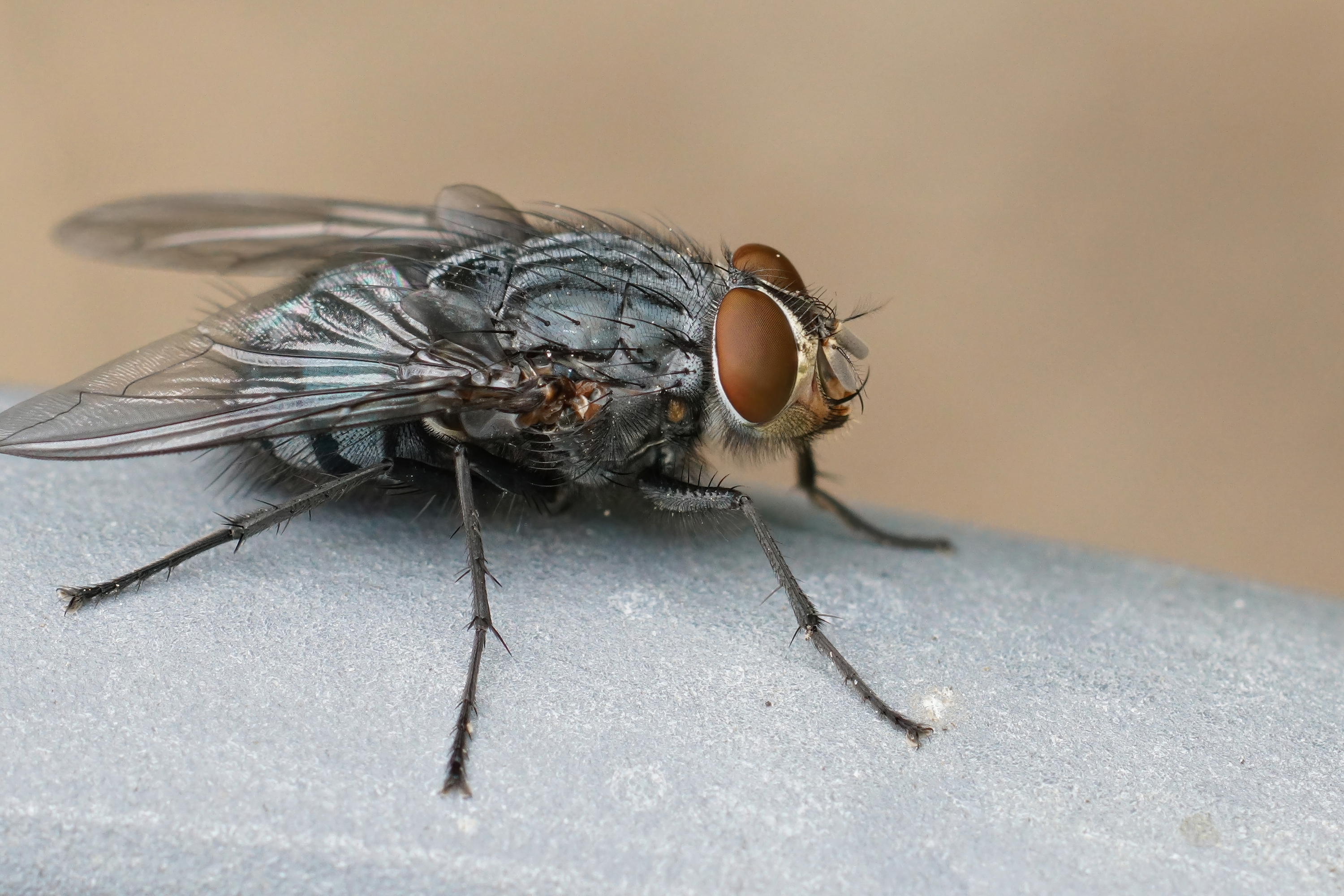
Flies – Quick Facts
Spotting Fly Problems
Types of Flies
- House Flies (Musca domestica): Most common, 5-8mm long, grey with four dark stripes on thorax. Found in all properties. Breed in organic waste, bins, and compost. Complete lifecycle 7-10 days in warm weather.
- Fruit Flies (Drosophila): Tiny (2-4mm), tan/brown with red eyes. Breed in overripe fruit, drains, bins, fermenting matter. Rapid reproduction - hundreds of eggs in days.
- Drain Flies (Psychoda): Small (2-5mm), fuzzy moth-like appearance. Breed in drain slime, sewage films, and stagnant water. Common in bathrooms and kitchens.
- Cluster Flies (Pollenia rudis): 6-10mm, darker than house flies, sluggish movement. Invade buildings in autumn to overwinter. Gather in large clusters in lofts and wall cavities.
- Blow Flies (Calliphoridae): Metallic blue/green, 10-14mm. Attracted to meat and dead animals. Can indicate rodent presence or other issues.
Signs of Fly Infestation
- Multiple flies seen indoors daily, especially near food or waste
- Fly larvae (small white maggots) in bins, drains, or compost
- Dark fly spots on walls, ceilings, and light fixtures (feces)
- Flies gathering around windows trying to exit
- Flies emerging from drains when taps turned on
- Clusters of flies in specific areas (breeding nearby)
- Buzzing sounds from concealed areas
- Pupae cases (brown rice-shaped capsules) near breeding sites
Breeding Sites: Flies need organic matter to breed. Common sites include kitchen bins, outdoor waste areas, compost heaps, drains, pet waste, and any rotting organic material.
Activity Patterns: House flies most active in daylight and warm weather. Fruit flies active 24/7 in warm indoor environments. Drain flies emerge evening/night.
Common Fly Breeding Locations
- Kitchen bins and food waste containers
- Outside bins and refuse storage areas
- Kitchen and bathroom drains (organic buildup)
- Compost bins and garden waste
- Pet waste in gardens or litter trays
- Overripe or rotting fruit and vegetables
- Dirty mops, cloths, and cleaning equipment
- Spilled food and drinks in concealed areas
- Dead rodents or birds in wall voids/lofts
- Recycling bins with unwashed containers
Dangers of Fly Infestations
Food Contamination
- Flies contaminate food by landing, walking, and feeding
- Regurgitate digestive fluids onto food surfaces
- Defecate frequently spreading bacteria
- Transfer pathogens from waste to food preparation areas
- Single fly can carry millions of bacteria
- Particular risk in commercial kitchens and food businesses
- Can result in food safety violations and closure orders
- Major reputation damage for restaurants and cafes
Disease Transmission
- E. coli - causes severe stomach cramps and diarrhea
- Salmonella - leads to food poisoning and gastroenteritis
- Dysentery - causes bloody diarrhea and fever
- Typhoid fever - serious bacterial infection
- Cholera - severe diarrheal disease
- Parasitic worm eggs transmission
- Over 100 different pathogens carried by common flies
- Particular risk to children, elderly, and immunocompromised
Hygiene Concerns
- Visible fly spots on walls and surfaces (unsightly)
- Customer complaints in commercial premises
- Failed health and safety inspections
- Damage to business reputation and reviews
- Potential legal action from food poisoning cases
- Loss of customer confidence and revenue
- Stress and anxiety for residents
- Unpleasant presence during meals and activities
Our Fly Removal Process
Our Fly Control Treatment Methods
We use integrated pest management combining multiple professional methods:
- Source Identification: Thorough inspection to locate breeding sites - bins, drains, hidden waste, dead animals. Use UV light detection for fly spots. Identify fly species for targeted treatment approach.
- Sanitation Measures: Deep clean affected areas removing organic matter. Drain treatments to eliminate larvae and biofilm. Bin cleaning and disinfection. Remove all breeding material completely.
- Professional Insecticides: Residual spray treatments to walls, ceilings, and surfaces. Space treatments for immediate knockdown of adult flies. Drain-specific larvicides for drain flies. All products approved and applied safely.
- Fly Screens and Proofing: Install fly screens on windows and doors. Proof entry points and gaps. UV fly killers for commercial premises. Air curtains for doorways. Physical barriers prevent re-infestation.
- Follow-Up Monitoring: Return visits to assess treatment effectiveness. Additional treatments if required. Advice on maintaining fly-free environment. 30-day guarantee on all treatments.
What to Expect During Treatment
Professional fly pest control process:
- Before Treatment: Empty all bins and clean visible waste. Clear food from counters and surfaces. Provide access to all areas. We conduct full inspection identifying fly species and breeding sites.
- During Treatment: Technician applies targeted treatments to breeding sites. Residual insecticides sprayed on surfaces. Drain treatments applied where needed. Treatment typically takes 30-60 minutes depending on property size.
- After Treatment: Vacate premises for 2-3 hours until surfaces dry. Open windows for ventilation when returning. Wipe down food preparation surfaces before use. Significant reduction in fly numbers within 24 hours.
- Ongoing Prevention: Maintain high standards of hygiene and sanitation. Empty bins daily and clean regularly. Keep drains clear and flowing. Store food in sealed containers. Follow all prevention advice provided.
Keeping Flies Out of Your Property
Waste Management
- Empty kitchen bins daily, especially in warm weather
- Use bins with tight-fitting lids
- Line bins with plastic bags for easy removal
- Clean bins regularly with disinfectant
- Keep outdoor bins away from doors and windows
- Ensure outdoor bin lids close properly
- Rinse food containers before recycling
- Compost bins should be sealed and turned regularly
Drain Maintenance
- Clean drains weekly with drain cleaner or boiling water
- Remove hair and debris from plug holes
- Use drain covers to prevent buildup
- Flush rarely used drains weekly
- Professional drain cleaning if slow-flowing
- Bleach treatments for drain flies
- Keep all drains clear and free-flowing
Food Storage
- Store all food in sealed containers or refrigerator
- Dispose of overripe fruit and vegetables promptly
- Clean up spills immediately
- Wipe down surfaces after food preparation
- Don't leave dirty dishes overnight
- Keep fruit in refrigerator or sealed bowls
- Store pet food in sealed containers
- Regular deep cleaning of kitchens
Professional Prevention
- Install fly screens on windows and doors
- Fit UV fly killers in commercial kitchens
- Air curtains over doorways in food businesses
- Regular professional inspections and treatments
- Seal entry points and gaps in building fabric
- Professional drain cleaning and maintenance
- Pest control contracts for ongoing protection
- Staff training on fly prevention measures
Local Fly Removal in Newham
House flies (Musca domestica) and fruit flies (Drosophila) are prevalent in Newham, particularly around restaurants, cafes, and food retail establishments. Commercial waste bins, drains, and food preparation areas provide ideal breeding sites. Newham's mix of residential and commercial properties creates year-round fly pressure. Drain flies breed in kitchen and bathroom pipework, while cluster flies invade loft spaces seeking winter shelter. Professional treatment essential for maintaining hygiene standards and preventing rapid population growth during warm months.
Areas We Serve in Newham
We provide rapid fly pest control response across all Newham neighborhoods including:
Property Types We Treat
Victorian terraces with shared bins, modern apartment blocks, purpose-built flats with communal waste areas, converted period properties, mixed-use buildings with ground floor retail, houses with gardens and compost bins
Seasonal Fly Activity in Newham
Fly activity peaks summer (June-September) when temperatures exceed 20°C. House flies breed rapidly in warm weather, completing lifecycle in 7-10 days. Fruit flies thrive year-round in heated commercial kitchens. Drain flies emerge spring and autumn. Cluster flies invade buildings in autumn seeking overwintering sites. Professional treatment most effective before peak breeding season.
We also serve neighboring areas including . In addition to flies, we provide expert treatment for bed bugs, rats, and cockroaches.
Common Fly Questions
Need Fly Removal in Newham?
Emergency fly removal available. Our specialists eliminate fly breeding sites, apply targeted treatments, and implement long-term prevention strategies for fly-free environments.. Emergency same-day service available.