
Flea Removal Services in Southend-on-Sea
Ctenocephalides felis (Cat Flea)
Complete flea removal and infestation control across Southend-on-Sea, serving , and all surrounding areas. Discovering fleas in your Southend-on-Sea property requires immediate action. Our BPCA-certified technicians provide same-day emergency response, comprehensive treatment using professional-grade insecticides targeting all flea life stages, and guaranteed results. Emergency flea removal available 24/7. Our specialists treat all flea life stages including eggs, larvae, pupae, and adults for complete eradication..
Immediate professional treatment recommended. Fleas breed rapidly—one female can lay 50 eggs per day, 2000+ in a lifetime.
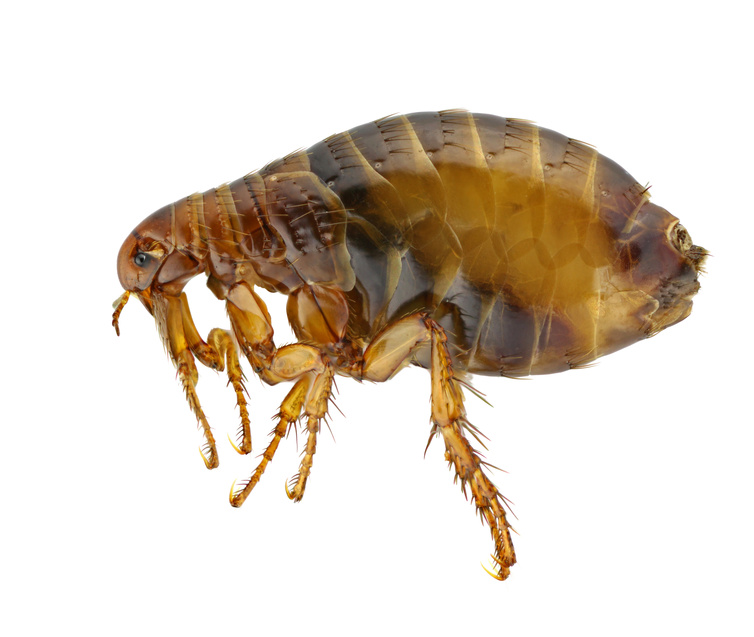
Fleas – Quick Facts
Spotting Flea Problems
Physical Features of Fleas
- Tiny body: 1-3mm length (smaller than a sesame seed)
- Reddish-brown color, darkens after blood meal
- Flat body from side to side (allows movement through fur)
- Six legs with powerful hind legs for jumping
- No wings - fleas cannot fly, only jump
- Hard shell-like body (difficult to crush)
- Can jump up to 20cm vertically and 33cm horizontally
- Piercing-sucking mouthparts for feeding on blood
Signs of Flea Activity
- Pets scratching excessively and biting themselves
- Small dark specks on pet bedding (flea dirt/feces)
- Bite marks on ankles, lower legs, and feet
- Seeing small jumping insects on carpets or furniture
- Red, itchy welts on skin (flea bites)
- Hair loss or scabs on pets from scratching
Flea Dirt: Black/brown specks that turn red when moistened (digested blood). Found on pet bedding, carpets, and furniture
Eggs: Tiny white oval eggs (0.5mm) fall off pets onto carpets, furniture, and cracks. Nearly invisible to naked eye
Larvae: Small worm-like larvae (2-5mm) live in carpet fibers, cracks, and dark areas, avoiding light
Common Flea Hiding Spots
- Carpet fibers and rugs (primary habitat for larvae)
- Pet bedding and sleeping areas
- Upholstered furniture and sofas
- Floor cracks and crevices
- Skirting boards and baseboards
- Under furniture and in dark corners
- Curtains and soft furnishings
- Floorboards gaps and under rugs
- Car interiors if pets travel frequently
- Garden areas where pets rest
Flea Infestation Health Risks
Health Risks from Flea Bites
- Allergic reactions causing severe itching and rashes
- Flea allergy dermatitis (FAD) in pets and humans
- Tapeworm transmission (Dipylidium caninum)
- Bartonella (cat scratch disease) transmission
- Secondary infections from scratching bites
- Anemia in severe infestations (especially young pets)
Impact on Pets and Family
- Constant discomfort and scratching for pets
- Sleep disruption from itching and scratching
- Psychological stress from ongoing infestation
- Hair loss and skin damage in pets
- Risk of flea bites on children and vulnerable people
- Treatment costs (£100-£250+ for multiple visits)
Rapid Reproduction Cycle
- One female lays 50 eggs per day (2000+ lifetime)
- Eggs hatch in 2-14 days depending on temperature
- Larvae develop in carpets for 1-2 weeks
- Pupae can remain dormant for months
- Full lifecycle: 2-3 weeks in warm conditions
- Infestation can explode within weeks if untreated
Our Flea Removal Process
Our Flea Treatment Methods
We use a combination of professional treatments tailored to your specific infestation:
- Professional Insecticides: HSE-approved residual insecticides (pyrethroids, insect growth regulators) applied to all carpets, furniture, cracks and crevices. Kills adult fleas on contact and prevents larvae development.
- Carpet & Furniture Treatment: Deep treatment of all carpeted areas, under furniture, and soft furnishings. Focus on areas where pets rest and larvae hide.
- Multiple Visits Required: 2-3 treatments spaced 14 days apart target all life stages. Pupae are resistant to insecticides and must be allowed to hatch before re-treatment.
- Pet Bedding Treatment: Treatment of pet sleeping areas, bedding (or disposal/washing at 60°C), and resting spots both indoor and outdoor.
- Follow-up Monitoring: Post-treatment inspections ensure complete elimination. Additional treatments if new fleas emerge from resistant pupae.
Preparation for Flea Treatment
Proper preparation maximizes treatment effectiveness:
- Before Treatment: Vacuum all carpets, furniture, and cracks thoroughly. Wash all pet bedding at 60°C. Remove pets, children, and cover fish tanks. Empty vacuum immediately into outdoor bin.
- Clear Access: Move furniture to expose carpeted areas. Lift rugs and mats. Provide access to all rooms where pets go. Point out pet sleeping areas and flea activity spots.
- Pet Treatment: Treat ALL pets with vet-approved flea treatment on same day as property treatment. This is ESSENTIAL—property treatment alone will fail without pet treatment.
- After Treatment: Don't vacuum for 14 days (allows insecticide to work on emerging fleas). Keep pets off treated areas until dry (2-4 hours). Repeat treatment in 14 days as instructed.
Keeping Fleas Away from Your Property
Regular Pet Treatment
- Treat ALL pets with vet-approved flea prevention monthly
- Use spot-on treatments, tablets, or flea collars as advised
- Treat all pets in household, even indoor-only cats
- Continue year-round treatment (fleas breed indoors in winter)
- Check pets regularly for signs of fleas
- Groom pets frequently with flea comb
Regular Cleaning
- Vacuum carpets, furniture, and crevices weekly
- Empty vacuum immediately into outdoor bin
- Wash pet bedding at 60°C weekly
- Steam clean carpets and upholstery regularly
- Clean under furniture and in dark corners
- Wash soft toys and fabric items regularly
Home Maintenance
- Remove clutter where flea larvae can hide
- Keep humidity low (fleas thrive in moisture)
- Seal cracks and gaps in flooring
- Maintain garden areas where pets rest
- Treat outdoor pet areas if needed
- Consider hard flooring instead of carpets
Early Detection
- Check pets daily for excessive scratching or biting
- Look for flea dirt on pet bedding (black specks)
- Watch for bite marks on ankles and legs
- Use white paper when grooming to spot flea dirt
- Monitor for small jumping insects on light carpets
- Call professional at first signs—early action prevents full infestation
Local Flea Removal in Southend-on-Sea
Cat fleas (Ctenocephalides felis) are the most common flea species affecting Southend-on-Sea properties. Fleas typically infest homes with pets, but can also be brought in from outside or previous occupants. High-density residential areas, period properties with carpets, and ground-floor flats near gardens experience frequent flea problems. Professional treatment essential as fleas reproduce rapidly - one female can lay 50 eggs per day.
Areas We Serve in Southend-on-Sea
We provide rapid flea treatment response across all Southend-on-Sea neighborhoods including:
Property Types We Treat
Period conversions, mansion blocks, modern apartments, townhouses, basement flats, carpeted properties
Seasonal Flea Activity in Southend-on-Sea
Fleas breed year-round indoors with peak activity in warm months (May-September). Central heating allows continuous breeding in winter. Summer increases outdoor flea activity. Flea eggs hatch faster in warm conditions, requiring multiple treatments 2-3 weeks apart to break the lifecycle.
Our comprehensive flea guide provides detailed information about identification and prevention. We also serve neighboring areas including . In addition to fleas, we provide expert treatment for bed bugs, cockroaches, and other common household pests.
Common Flea Questions
Need Flea Removal in Southend-on-Sea?
Emergency flea removal available 24/7. Our specialists treat all flea life stages including eggs, larvae, pupae, and adults for complete eradication.. Emergency same-day service available.