
Bee Nest Removal in Tower Hamlets
Honey bee (Apis mellifera)
Professional bee nest removal services in Tower Hamlets. We deliver safe, ethical solutions for honey bee colonies throughout . Protecting pollinators while solving your problem. Our BPCA-certified technicians provide ethical bee control including safe relocation, nest identification, live removal, professional swarm management, and protected species handling. Same-day emergency response available across all Tower Hamlets neighborhoods.
Bees are protected pollinators and non-aggressive unless defending their nest. Professional ethical removal and relocation is legally required. We prioritize live removal and safe relocation to preserve these essential species.
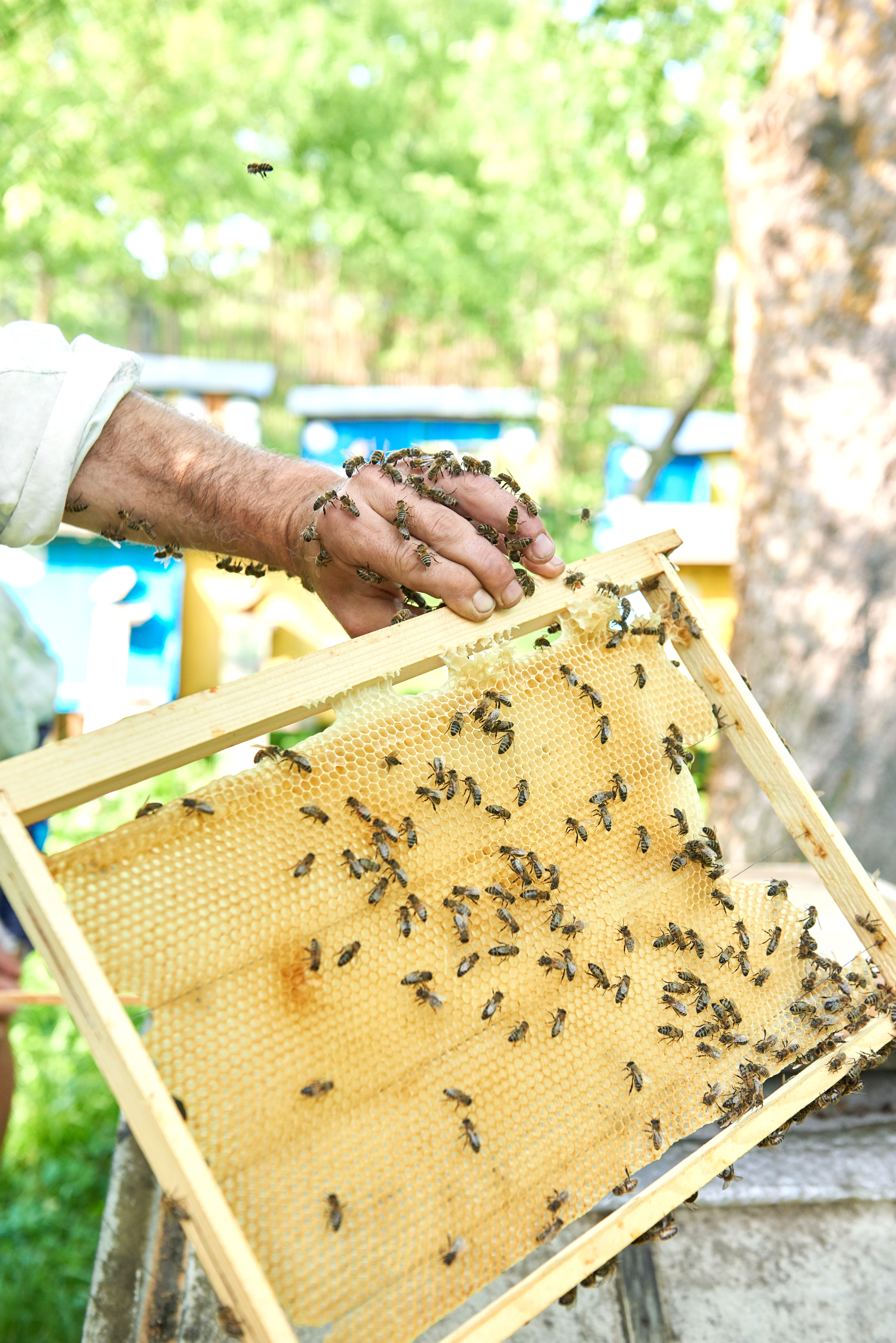
Bee – Quick Facts
Recognizing Bee Nest Problems
Honey bee colonies occasionally establish in buildings, requiring professional removal.
Understanding Honey Bees
- Social insects living in complex colonies
- Only UK bee species building large permanent nests
- Queens live 3-5 years, colonies persist indefinitely
- Produce honey, wax, and pollen stores
- Typically non-aggressive but defend nest vigorously
- Protected species requiring ethical handling
Nest Development
- Swarms emerge May-July seeking nest sites
- Scout bees identify suitable cavities
- Queen and workers establish within days
- Rapid comb building (several sheets)
- Colony grows to 40,000+ bees in peak season
- Established nests very difficult to remove
Problem Nest Locations
- Chimneys (heat attracts swarms, blocks flue)
- Wall cavities (ideal protected environment)
- Roof spaces with access gaps
- Hollow sections of outbuildings
- Behind fascia boards and soffits
- Unused appliances, bins, bbqs
Identification Essentials
- Fuzzy appearance (not smooth like wasps)
- Amber/golden and black coloring
- Carrying pollen (yellow leg baskets)
- Gentle flight pattern (wasps more aggressive flight)
- Sweet smell (honey) near nest
- Continuous activity dawn to dusk
Why Professional Bee Nest Removal
DIY removal is dangerous, illegal, and harmful to protected pollinators:
Safety Risks
- Disturbed colonies attack en masse
- Hundreds of stings possible
- Allergic reactions can be fatal (anaphylaxis)
- Protective equipment essential (not DIY suitable)
- Bees defend nest locations after removal if not done properly
- Children and pets most vulnerable
Legal Requirements
- Honey bees legally protected
- Unnecessary destruction illegal (Wildlife & Countryside Act)
- Professional removal and relocation required
- Pesticide use prohibited (except licensed professionals)
- Violations carry significant fines
Property Protection
- Honey damages plasterwork, decorations, wiring
- Heavy comb can weigh 40+ kg (structural stress)
- Abandoned honey ferments (odor, pest attraction)
- Incomplete removal guarantees return
- Dead bees and honey attract secondary pests
- Property value affected by recurring bee problems
Professional Bee Nest Removal
Our comprehensive approach ensures complete, ethical removal:
1. Expert Assessment
- Confirm species (critical - bumble bees handled differently)
- Thermal imaging to locate exact nest position
- Estimate colony size and age
- Evaluate access and removal difficulty
- Plan safest extraction method
2. Safe Nest Removal
- Full bee suits and professional equipment
- Live removal of entire colony including queen
- Careful honeycomb extraction (prevent damage)
- Honey and wax collection (eliminate attractants)
- Brood (larvae) preservation where possible
- Minimal stress to bees throughout process
3. Complete Clean-Up
- All honey removed (prevents fermentation, pest attraction)
- All wax removed (prevents return)
- Pheromone neutralization (stops scout bees)
- Cavity cleaning and sanitization
- Structural repairs if required
4. Exclusion Work
- Seal nest cavity preventing re-use
- Identify and close other potential nest sites
- Install chimney cowls if needed
- Recommendations for property maintenance
5. Ethical Relocation
- Colonies moved to registered apiaries
- Working beekeepers rehome colonies
- Bees continue as productive pollinators
- Sustainable, environmentally responsible approach
Guaranteed results with full public liability insurance and aftercare support.
Bee Control Services in Tower Hamlets
Honey bee swarms in Tower Hamlets are commonly reported in properties with unused chimneys and wall cavities during peak swarming season from May to July. Mix of Victorian terraces and modern developments creates diverse nesting opportunities. Urban foraging from parks and gardens supports healthy bee populations requiring ethical relocation services.
Areas We Serve in Tower Hamlets
We provide rapid bee control response across all Tower Hamlets neighborhoods including:
Property Types We Treat
Victorian terraces with chimney cavities, Edwardian houses with roof spaces, inter-war properties with unused flues, post-war houses with cavity walls, semi-detached homes with accessible chimneys, properties backing onto green spaces, houses with garden structures, homes with ventilation gaps
Seasonal Bee Activity in Tower Hamlets
Peak swarming May-July when colonies divide and seek new nest sites. Spring sees scout bees investigating potential locations in chimneys and cavities. Summer - established colonies at maximum size producing honey. Autumn - colonies reduce in size but remain active gathering final resources. Winter - bees cluster in nest maintaining warmth, minimal external activity but colonies persist year-round in protected sites.
We also serve neighboring areas including . In addition to bees, we provide expert treatment for bed bugs, rats, and cockroaches.
Bee Control FAQs
Need Bee Nest Removal in Tower Hamlets?
Professional bee control with ethical relocation. Same-day service available.