
Moth Pest Control in Tower Hamlets
Tineola bisselliella (Common Clothes Moth)
Expert clothes moth and carpet moth treatment across Tower Hamlets, serving , and all surrounding areas. Discovering moths in your Tower Hamlets property requires prompt action. Our BPCA-certified technicians provide comprehensive treatment using professional-grade insecticides, pheromone traps, and targeted wardrobe treatments to eliminate clothes moths and carpet moths. Professional moth pest control with guaranteed results. BPCA certified technicians eliminate clothes moths, carpet moths, and larvae using targeted treatments and pheromone monitoring..
Professional treatment recommended. Moth larvae cause irreversible damage to natural fibres—one female can lay 50-100 eggs, with larvae feeding for 2-10 months on wool, silk, and cashmere.
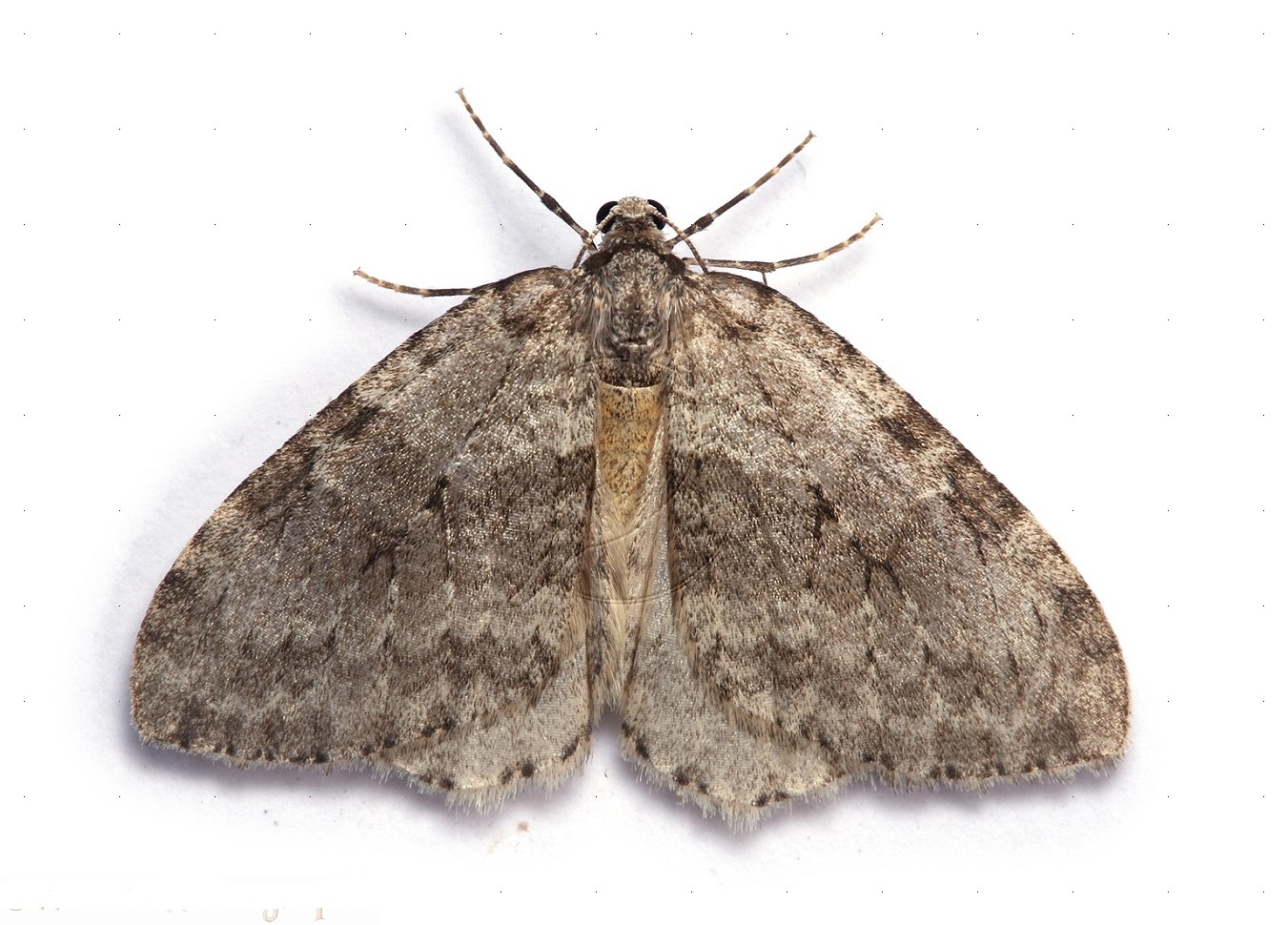
Moths – Quick Facts
Identifying a Moth Infestation
Physical Features of Clothes Moths
- Adult size: 6-8mm body, 9-16mm wingspan
- Golden-brown color, no distinct markings or spots
- Narrow wings held flat along body when resting
- Small head with simple antennae
- Weak fliers, often seen fluttering near infested areas
- Avoid light, prefer dark undisturbed areas
- Cream-colored larvae (10-12mm) with brown head capsule
- Larvae spin silken tubes and webbing on fabrics
Signs of Moth Activity
- Small irregular holes in wool, silk, or cashmere clothing
- Silken threads or webbing on fabric surfaces
- Adult moths flying around wardrobes (especially at dusk)
- Cream-colored larvae crawling on clothes or carpets
- Cocoon cases (pupae) in corners of wardrobes
- Damage to natural fibre carpets and rugs
Larvae Damage: Irregular holes in natural fibres, especially dirty or stained fabrics. Damage often found in dark, undisturbed areas of wardrobes and under furniture.
Eggs: Tiny white oval eggs (0.5mm) laid on fabric surfaces. Hatch in 4-10 days depending on temperature. Nearly invisible to naked eye.
Larvae: Feed for 2-10 months on keratin protein in wool, silk, fur, feathers, and felt. Create silken tubes and webbing while feeding.
Common Moth Hiding Spots
- Wardrobes and cupboards (especially dark corners)
- Under furniture and behind curtains
- Wool carpets and rugs (particularly under furniture)
- Stored clothing in boxes or bags
- Natural fibre upholstery and cushions
- Attics and storage areas with old textiles
- Behind radiators and in ceiling voids
- Piano felts and tapestries
- Fur coats and feather items
- Wool blankets and vintage clothing
Moth Damage and Health Risks
Damage to Valuable Clothing
- Irreversible holes in expensive wool, silk, and cashmere
- Destruction of vintage and sentimental clothing items
- Damage to designer suits, coats, and formal wear
- Loss of family heirlooms and wedding dresses
- Replacement costs for high-value garments (£100s-£1000s)
- Depreciation of property value with severe infestations
Carpet and Furnishing Damage
- Costly damage to natural fibre carpets and rugs
- Destruction of wool upholstery and curtains
- Damage to antique tapestries and wall hangings
- Replacement costs for carpets (£500-£5000+)
- Professional carpet repairs often impossible
- Psychological stress and home devaluation
Slow but Persistent Lifecycle
- One female lays 50-100 eggs over 2-3 weeks
- Eggs hatch in 4-10 days depending on temperature
- Larvae feed for 2-10 months on natural fibres
- Pupae stage lasts 8-10 days before adult emergence
- Full lifecycle: 2-12 months depending on conditions
- Infestations can persist for years if untreated
Professional Moth Pest Control Solutions
Our Moth Treatment Methods
We use a combination of professional treatments tailored to your specific infestation:
- Pheromone Traps: Professional-grade pheromone traps placed in wardrobes and storage areas to attract and capture adult male moths. Monitors activity levels and reduces breeding population.
- Targeted Insecticide Treatment: HSE-approved residual sprays (permethrin, pyrethroids) applied to wardrobes, carpets, curtains, and upholstery. Kills larvae and adult moths on contact. Safe for fabrics when applied correctly.
- Wardrobe & Storage Treatment: Deep treatment of all wardrobes, drawers, cupboards, and storage areas. Focus on dark corners, under shelves, and behind hanging clothes where larvae hide and feed.
- Heat Treatment (Severe Infestations): Professional heat treatment for valuable items or severe infestations. Raises temperature to 55°C to kill all life stages. Effective for delicate fabrics that can't be washed or treated with chemicals.
- Follow-up Monitoring: 2-3 follow-up visits over 4-6 weeks to monitor pheromone traps, treat newly emerged moths, and ensure complete elimination of all life stages.
Preparation for Moth Treatment
Proper preparation maximizes treatment effectiveness:
- Before Treatment: Remove clothing from wardrobes if possible. Vacuum all carpets, wardrobes, and storage areas thoroughly. Dry-clean or wash affected garments at 60°C. Empty vacuum into outdoor bin immediately.
- Identify Affected Items: Inspect all wool, silk, cashmere, and natural fibre items. Look for holes, larvae, webbing, and cocoon cases. Set aside severely damaged items for professional cleaning or disposal.
- Clear Access: Provide access to all wardrobes, cupboards, attics, and storage areas. Move furniture to expose carpets underneath. Point out areas of moth activity and damaged items.
- After Treatment: Don't return clothes to wardrobes for 24 hours (allow spray to dry). Keep pheromone traps in place for monitoring. Vacuum regularly. Follow prevention advice to avoid re-infestation.
- Ongoing Prevention: Use cedar sachets or lavender in wardrobes. Store out-of-season clothes in sealed bags. Clean clothes before storage. Monitor for signs of moth activity.
Preventing Moth Infestations
Clothing Storage & Protection
- Clean all clothes before storing (moths attracted to sweat, food stains)
- Store out-of-season clothing in sealed plastic bags or airtight containers
- Use cedar wood blocks, balls, or hangers in wardrobes (natural moth repellent)
- Place lavender sachets in drawers and wardrobes
- Avoid cardboard boxes for storage (moths can penetrate cardboard)
- Regularly air and inspect stored clothing every 2-3 months
Regular Cleaning & Maintenance
- Vacuum carpets, wardrobes, and under furniture weekly
- Empty vacuum bag/canister immediately into outdoor bin
- Clean wardrobes and drawers seasonally—remove everything and vacuum
- Brush wool coats and suits regularly to remove eggs and larvae
- Wash wool blankets and throws at 60°C or dry-clean annually
- Beat and air rugs and carpets outdoors in sunlight
Wardrobe & Home Maintenance
- Keep wardrobes well-ventilated—avoid overpacking
- Maintain low humidity in storage areas (moths prefer warm, humid conditions)
- Inspect natural fibre rugs, especially wool and silk, regularly
- Move furniture periodically to expose hidden carpet areas
- Seal cracks in wardrobes and skirting boards where moths hide
- Avoid leaving clothes in dark, undisturbed areas for extended periods
Early Detection & Monitoring
- Inspect wardrobes monthly for adult moths (especially at dusk)
- Check for small irregular holes in wool, silk, and cashmere items
- Look for silken threads, webbing, or cream-colored larvae on fabrics
- Monitor for cocoon cases in wardrobe corners and crevices
- Use pheromone traps in wardrobes to monitor moth activity
- Call professional at first signs—early treatment prevents costly damage
Moth Pest Control Services Across Tower Hamlets
Clothes moths (Tineola bisselliella) and carpet moths are the most common moth species affecting Tower Hamlets properties. Moths typically infest properties with natural fibre materials, but can also be introduced through second-hand furniture or textiles. High-density residential areas, period properties with natural fibre carpets and vintage textiles, and properties with storage areas and wardrobes experience frequent moth problems. Professional treatment essential as moths breed continuously - larvae feed on natural fibres causing significant damage to carpets, clothing, and furnishings.
Areas We Serve in Tower Hamlets
We provide professional moth pest control across all Tower Hamlets neighborhoods including:
Property Types We Treat
Period conversions, mansion blocks, modern apartments, townhouses, properties with wool furnishings, homes with vintage textiles and storage areas
Seasonal Moth Activity in Tower Hamlets
Moths breed year-round indoors with peak adult activity in May-October. Centrally heated properties allow continuous breeding in winter. Spring and summer see increased adult moth sightings. Larvae develop faster in warm conditions, requiring monitoring throughout the year.
Our comprehensive moth guide provides detailed information about identification and prevention. We also serve neighboring areas including . In addition to moths, we provide expert treatment for bed bugs, cockroaches, and other common household pests.
Moth Pest Control FAQs
Need Moth Pest Control in Tower Hamlets?
Professional moth pest control with guaranteed results. BPCA certified technicians eliminate clothes moths, carpet moths, and larvae using targeted treatments and pheromone monitoring.. Emergency same-day service available.