
Professional Rat Control in Tower Hamlets
Rattus norvegicus (Brown Rat)
Expert rat control & prevention across Tower Hamlets, serving , and all surrounding areas. Discovering mice in your Tower Hamlets property requires immediate action. Our BPCA-certified technicians provide same-day emergency response, comprehensive treatment using professional-grade rodenticides and proofing, and guaranteed results. Licensed professionals with 30-day guarantee.
Immediate professional treatment recommended. Mice breed rapidly—one pair can produce 200+ offspring per year.
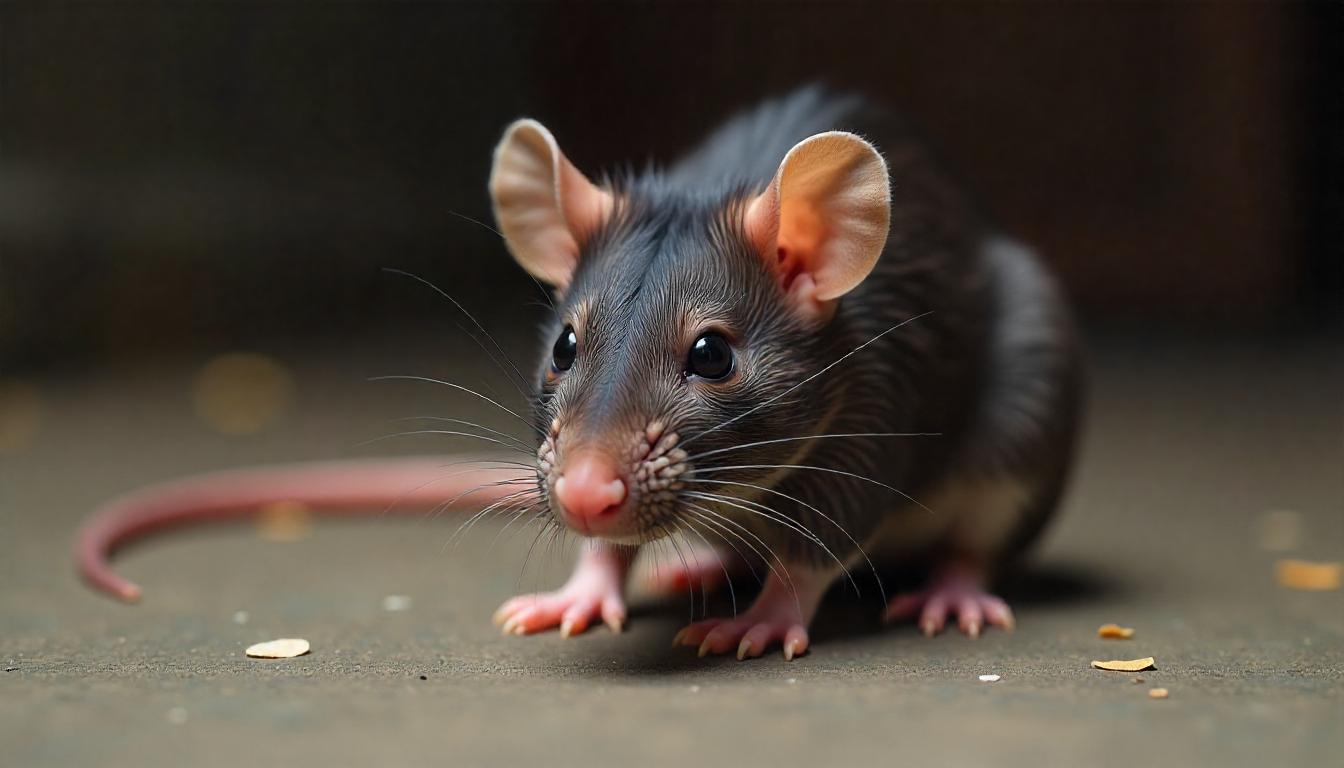
Mice – Quick Facts
Rat Control Solutions
Our Rat Treatment Methods
We use a combination of professional treatments tailored to your specific infestation:
- Professional Rodenticides: HSE-approved anticoagulant baits (brodifacoum, difenacoum) placed in tamper-proof stations. Rats consume bait and die within 7-14 days. Follow-up visits ensure complete elimination.
- Snap Traps: Instant-kill traps for targeted areas. Ideal for chemical-free control or alongside baiting. We monitor and reset during follow-up visits.
- Live Traps: Humane catch-and-release options where appropriate. Less effective for large infestations but suitable for sensitive areas.
- Proofing & Exclusion: Seal entry points with wire wool, expanding foam, and metal mesh. Prevent future infestations by blocking access routes (gaps larger than 15mm - rats need bigger openings than mice).
- Monitoring Systems: Install monitoring stations to detect new activity early. Regular inspections identify problem areas before populations grow.
Preparation for Rat Treatment
Proper preparation maximizes treatment effectiveness:
- Before Treatment: Store all food in airtight containers. Clean up crumbs and spills. Remove clutter to expose hiding spots. Keep pets away from treatment areas.
- Clear Access: Move furniture away from walls. Clear kitchen kickboards and cupboards. Provide access to loft, garage, and utility areas. Point out known rat activity locations.
- Safety Measures: Remove pet food and water bowls. Cover fish tanks. Keep children and pets away from bait stations. Don't touch droppings—we'll handle safe removal.
- After Treatment: Don't clean bait stations. Monitor for dead rats (we remove these during follow-ups). Report new activity immediately. Follow technician's prevention advice.
How to Identify Rats
Physical Features of Rats
- Large body: 20-25cm length (excluding tail)
- Thick tail: 18-25cm (slightly shorter than body)
- Brown-grey coarse fur with lighter grey-white belly
- Small ears relative to body size (unlike mice)
- Blunt nose with prominent whiskers
- Small beady eyes
- Weight: 200-500 grams (much heavier than mice)
- Four large sharp incisor teeth (orange-yellow, constantly growing)
Signs of Rat Activity
- Scratching sounds in walls/ceilings at night
- Fresh droppings (10-20mm, dark, capsule-shaped with blunt ends)
- Gnaw marks on food packaging, wood, cables
- Greasy smear marks along walls and baseboards
- Musty ammonia-like odor in infested areas
- Shredded material for nesting (paper, fabric, insulation)
Droppings: Small dark pellets, 3-8mm long with pointed ends, fresh ones are soft and shiny, old ones are hard and grey
Tracks: Tiny footprints in dust, greasy rub marks along frequently traveled routes
Nests: Shredded paper, fabric, and insulation in hidden areas like wall voids, lofts, and under appliances
Common Rat Hiding Spots
- Drainage systems and sewers (primary habitat)
- Garden burrows near buildings
- Compost bins and garden waste areas
- Under decking and sheds
- Basement and cellar areas
- Behind cavity walls at ground level
- Under concrete slabs and foundations
- Garage and outbuilding foundations
- Dense vegetation and overgrown areas
- Around waste bins and food sources
Long-Term Rat Prevention
Environmental Changes
- Store all food in airtight glass/metal containers
- Clean up crumbs and spills immediately
- Don't leave pet food out overnight
- Keep bins sealed and empty regularly
- Declutter storage areas and garages
- Move compost bins away from buildings
Exclusion & Proofing
- Seal gaps larger than 6mm with wire wool and cement
- Install door sweeps on all external doors
- Repair holes in exterior walls and foundations
- Fit metal grilles over airbricks and vents
- Seal gaps around pipes and cables
- Repair damaged roof tiles and soffit boards
Maintenance Tips
- Trim vegetation away from buildings
- Remove overgrown ivy from walls
- Keep outdoor storage tidy and off ground
- Fix leaking pipes and taps (water sources)
- Clear gutters and drainage areas
- Inspect lofts and voids regularly
Early Detection
- Check for droppings behind appliances monthly
- Listen for scratching sounds at night
- Inspect food packaging for gnaw marks
- Look for greasy smear marks along walls
- Monitor pet behavior (unusual alertness/interest)
- Call professional at first signs—early action prevents breeding
Rat-Related Health & Property Risks
Health Risks from Mice
- Salmonella, E.coli, and food poisoning bacteria
- Leptospirosis (Weil's disease) via urine
- Hantavirus from dried droppings and urine
- Lymphocytic choriomeningitis virus (LCMV)
- Allergies and asthma from urine and dander
- Contamination of food preparation surfaces
Property Damage from Mice
- Electrical wiring damage (fire risk)
- Water pipe gnawing (flood risk)
- Structural damage to insulation and woodwork
- Food contamination and waste
- Damage to stored items and furniture
- Treatment costs (£120-£350+ per property)
Business Risks of Rat Infestations
- Food hygiene violations and closure orders
- Reputation damage and lost customers
- Failed health and safety inspections
- Stock contamination and write-offs
- Legal liability for customer illness
- Insurance claims and increased premiums
Tower Hamlets Rat Control Services
Tower Hamlets properties experience typical urban rat problems. Brown rats (Rattus norvegicus) commonly found in drainage systems, gardens, and building foundations. Sewer networks and ground-level access points create rat pathways. High-density areas with food waste, commercial premises, and aging infrastructure contribute to rat activity. Professional treatment essential to prevent structural damage and serious health risks.
Areas We Serve in Tower Hamlets
We provide rapid mice response across all Tower Hamlets neighborhoods including:
Property Types We Treat
Victorian terraces, modern flats, commercial kitchens, garden sheds, outbuildings, basement properties
Seasonal Rat Activity in Tower Hamlets
Rats breed year-round with peak activity in autumn (September-November). Cold weather increases indoor shelter-seeking behavior. Spring and summer see outdoor breeding but infestations persist year-round. Construction, drainage work, and flooding events displace colonies throughout the year.
Our comprehensive mice guide provides detailed information about identification and prevention. We also serve neighboring areas including Hammersmith Fulham, Waltham Forest, Woodford Green. In addition to mice, we provide expert treatment for rats, cockroaches, and other common household pests.
Rat Control Questions
Need Mice Control in Tower Hamlets?
Licensed professionals with 30-day guarantee. Emergency same-day service available.